
This category is sponsored by Eagle Technology

This category celebrates initiatives that go beyond expectations to genuinely engage and empower communities, delivering meaningful and lasting results. This includes approaches that build trust, encourage participation, and support inclusive decision-making. Successful entries will show how strong community relationships have led to tangible outcomes, with learnings that can be shared across the sector.
Winner
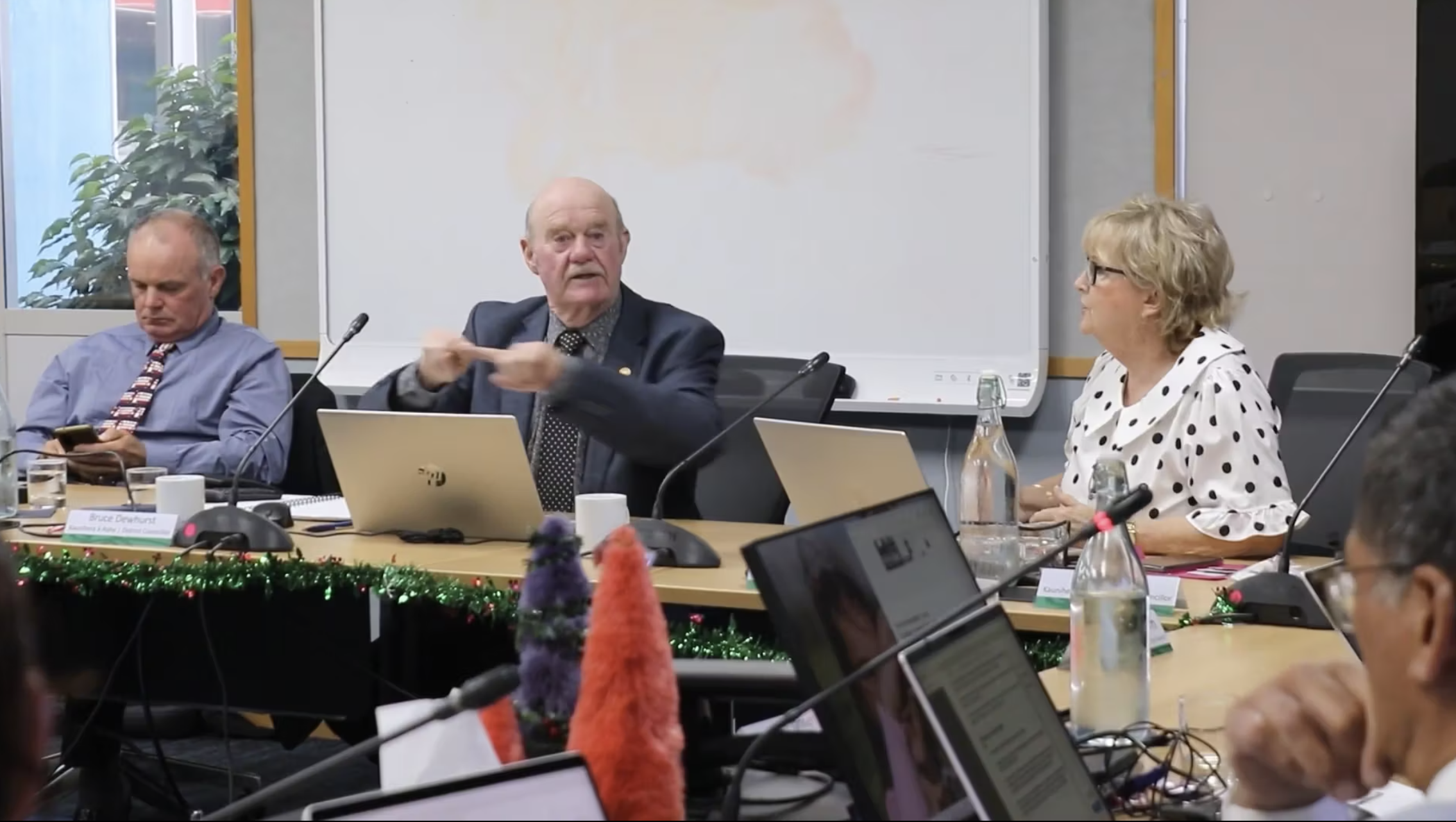
Whirinaki Managed Re-Treat
Northland Regional Council
In Whirinaki, Te Hikutū Hapū, supported by Northland Regional Council, led a proactive, hapū-driven managed retreat to address severe flood risk. Using mātauranga Māori and the PARA framework, the community determined relocation was the safest long-term option for around 80 homes in a flood-prone valley. The Whirinaki Masterplan enables whānau to move to elevated papakāinga, restoring the floodplain and creating new opportunities, while demonstrating shared leadership and Te Tiriti partnership.
Watch entryIn Whirinaki, Te Hikutū Hapū, supported by Northland Regional Council, led a proactive, hapū-driven managed retreat to address severe flood risk. Using mātauranga Māori and the PARA framework, the community determined relocation was the safest long-term option for around 80 homes in a flood-prone valley. The Whirinaki Masterplan enables whānau to move to elevated papakāinga, restoring the floodplain and creating new opportunities, while demonstrating shared leadership and Te Tiriti partnership.
Highly Commended
Coastal Hazards Adaptation Planning with Communities
Christchurch City Council
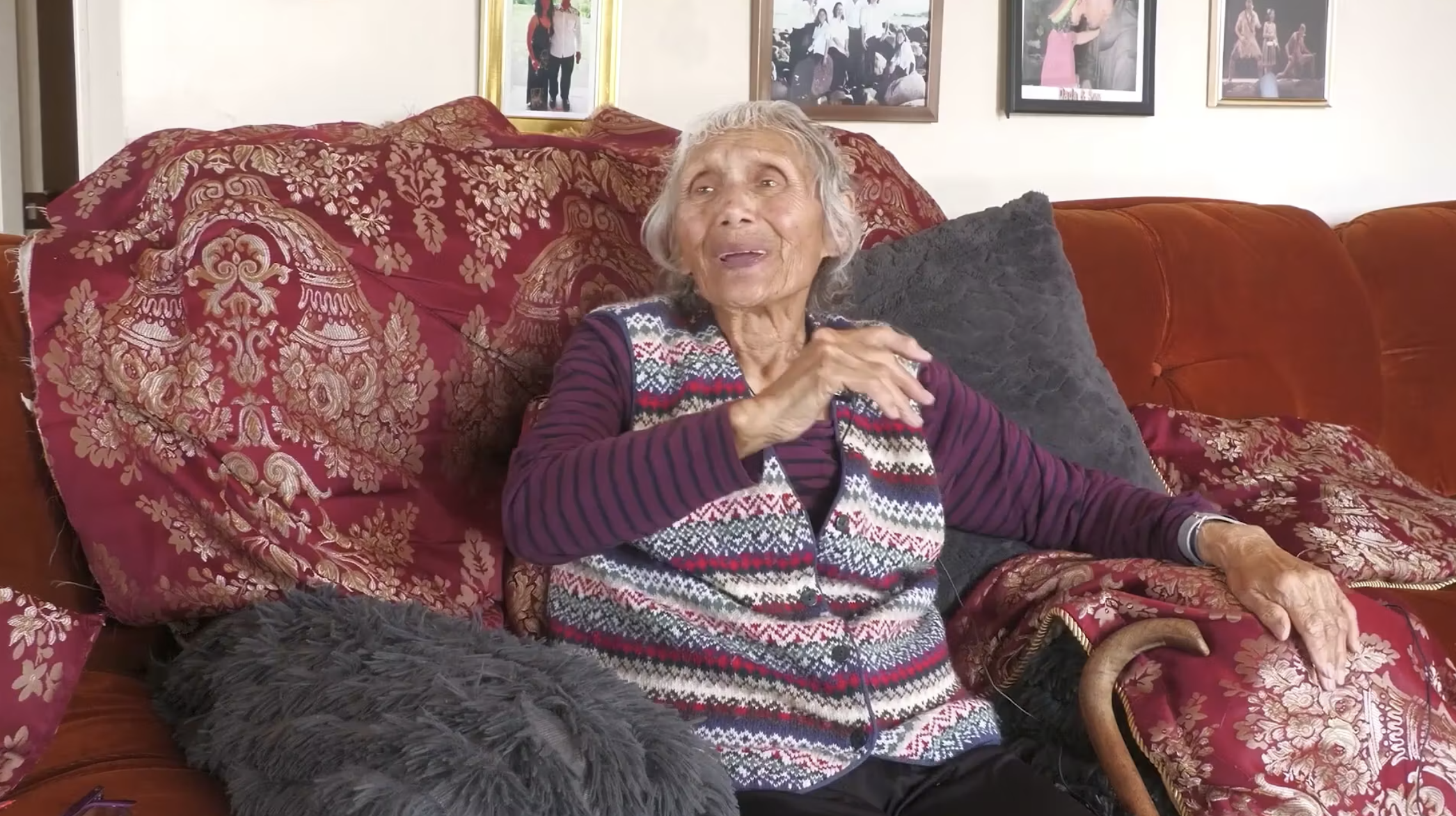
Christchurch City Council’s Coastal Hazards Adaptation Planning (CHAP) programme helps communities prepare for coastal flooding, erosion and rising groundwater. In vulnerable Ōtautahi Christchurch, it supports residents to understand risks and co-develop responses. A two-year pilot in Whakaraupō Lyttelton Harbour and Koukourarata Port Levy brought together residents, mana whenua and experts to create an Adaptation Plan adopted in March 2025, with strong community input guiding future planning.
Watch entryChristchurch City Council’s Coastal Hazards Adaptation Planning (CHAP) programme helps communities prepare for coastal flooding, erosion and rising groundwater. In vulnerable Ōtautahi Christchurch, it supports residents to understand risks and co-develop responses. A two-year pilot in Whakaraupō Lyttelton Harbour and Koukourarata Port Levy brought together residents, mana whenua and experts to create an Adaptation Plan adopted in March 2025, with strong community input guiding future planning.
2025 Community Survey
Carterton District Council
Carterton District Council reinstated its annual Community Survey to restore consistent performance reporting after a missed year risked audit issues. Redesigned for accessibility, with streamlined questions and dashboard reporting, it supports Long-Term Plan KPIs. Now run annually, the 2026 survey (16 Feb–15 Mar) is available online and in print, backed by a communications plan showing how past feedback shaped changes and how to take part.
Watch entryCarterton District Council reinstated its annual Community Survey to restore consistent performance reporting after a missed year risked audit issues. Redesigned for accessibility, with streamlined questions and dashboard reporting, it supports Long-Term Plan KPIs. Now run annually, the 2026 survey (16 Feb–15 Mar) is available online and in print, backed by a communications plan showing how past feedback shaped changes and how to take part.

Community Builds Flood Resilience
Hastings District Council
Hastings District Council’s Karanema programme strengthens flood resilience in Havelock North following Cyclone Gabrielle. Covering key streams and dams, it combines engineering with strong community partnership. With most waterways on private land, the programme focuses on trust, clear information and shared action. Residents help shape priorities, supported by updates, monitoring and practical guides. The result is improved transparency, growing confidence and 42 properties reclassified to lower flood risk.
Watch entryHastings District Council’s Karanema programme strengthens flood resilience in Havelock North following Cyclone Gabrielle. Covering key streams and dams, it combines engineering with strong community partnership. With most waterways on private land, the programme focuses on trust, clear information and shared action. Residents help shape priorities, supported by updates, monitoring and practical guides. The result is improved transparency, growing confidence and 42 properties reclassified to lower flood risk.
Deliberative Forum on the Future Recreational use of A F Thomas Park
Auckland Council
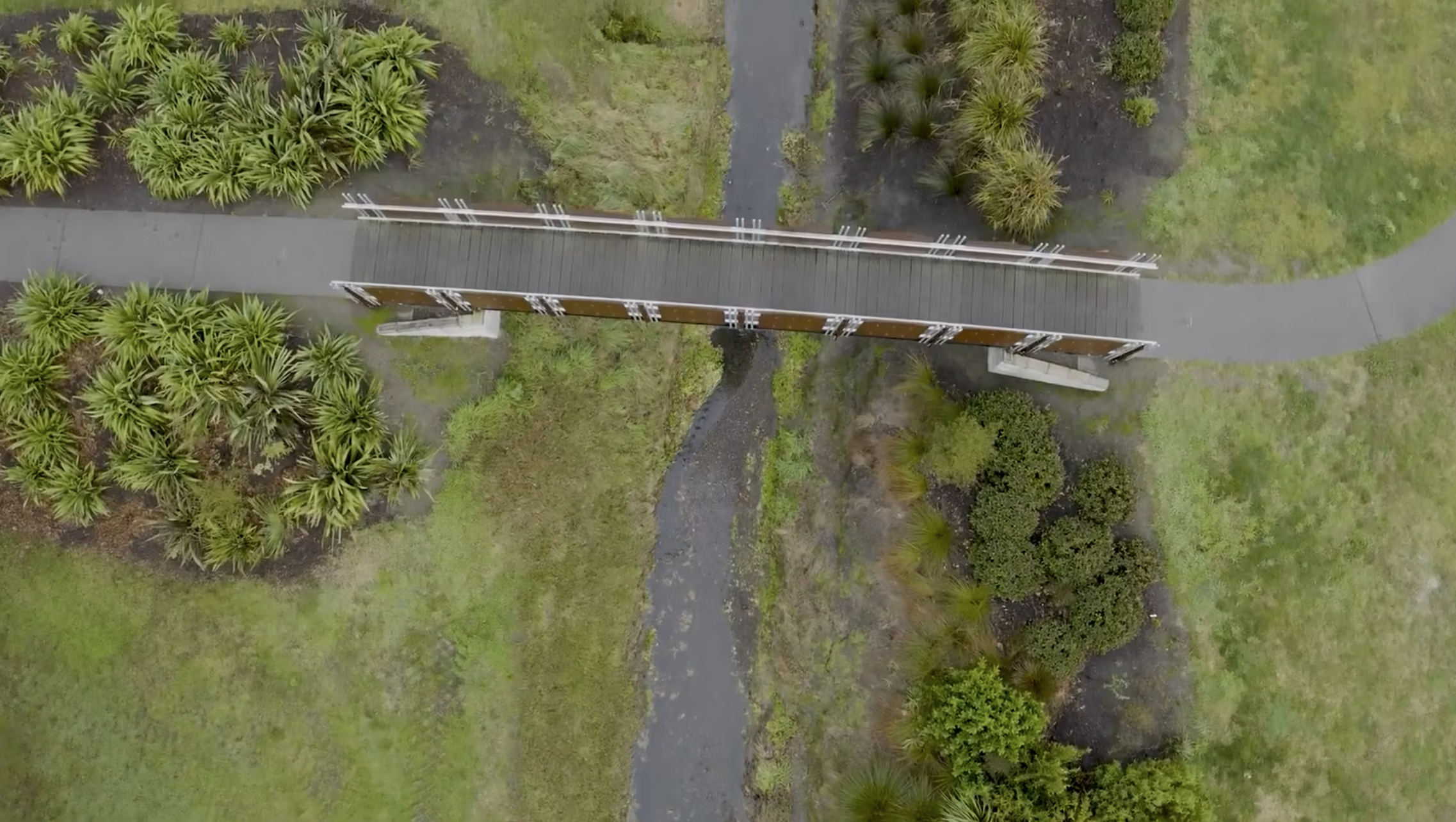
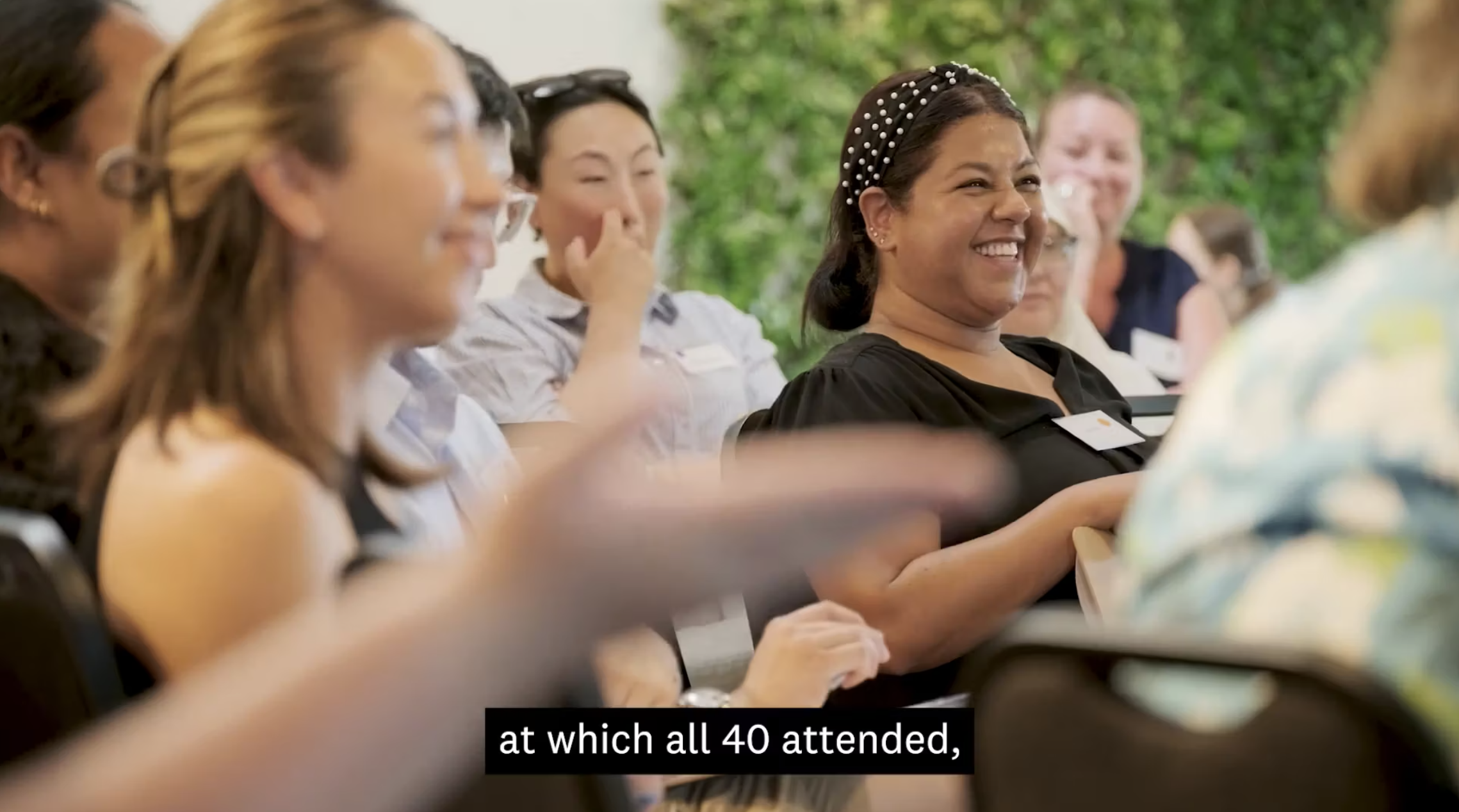
Auckland Council’s A F Thomas Park deliberative forum engaged 40 randomly selected residents to provide informed advice on the park’s future. Over four sessions, participants learned from experts, explored policies and flood resilience works, and discussed diverse viewpoints, reaching 80%-supported recommendations. The process shifted debates from adversarial to inclusive, producing a community-led report that, alongside mana whenua input and technical analyses, guides final Kaipātiki Local Board decisions.
Watch entryAuckland Council’s A F Thomas Park deliberative forum engaged 40 randomly selected residents to provide informed advice on the park’s future. Over four sessions, participants learned from experts, explored policies and flood resilience works, and discussed diverse viewpoints, reaching 80%-supported recommendations. The process shifted debates from adversarial to inclusive, producing a community-led report that, alongside mana whenua input and technical analyses, guides final Kaipātiki Local Board decisions.
From Consultation to Collaboration: Resetting Community Engagement in Lower Hutt
Hutt City Council
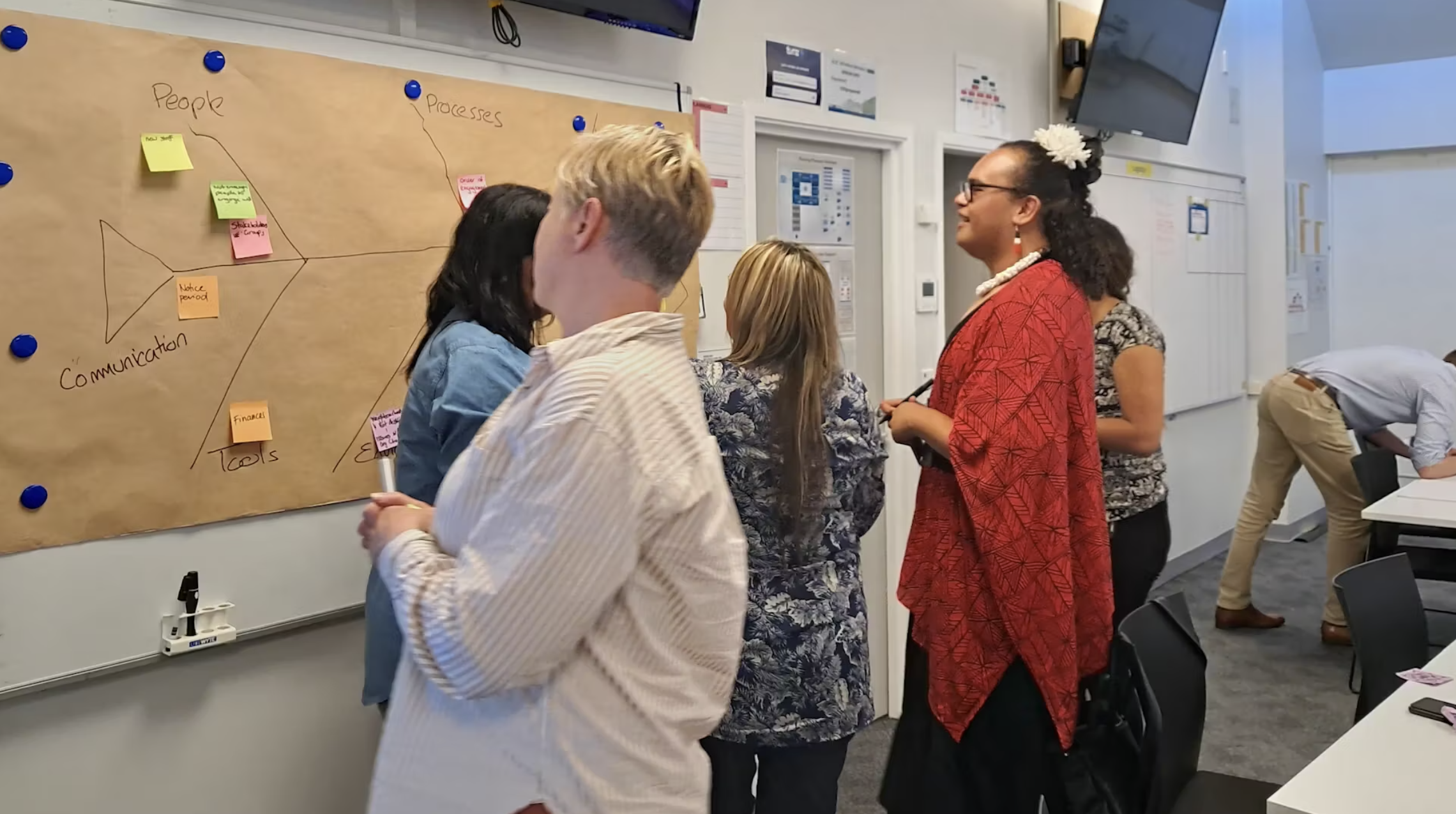
Te Whiringa is an engagement framework developed by Council in response to low trust and limited perceived influence from residents. Co-designed with the community through conversations, workshops, a Community Reference Group and mana whenua hui, it moved engagement into community spaces and involved thousands of participants. The result is a council-wide framework with clear principles, standards and accountability, boosting trust and influence and embedding community voice into decision-making.
Watch entryTe Whiringa is an engagement framework developed by Council in response to low trust and limited perceived influence from residents. Co-designed with the community through conversations, workshops, a Community Reference Group and mana whenua hui, it moved engagement into community spaces and involved thousands of participants. The result is a council-wide framework with clear principles, standards and accountability, boosting trust and influence and embedding community voice into decision-making.
Kāpiti Connect - Supplier Hub
Kāpiti Coast District Council
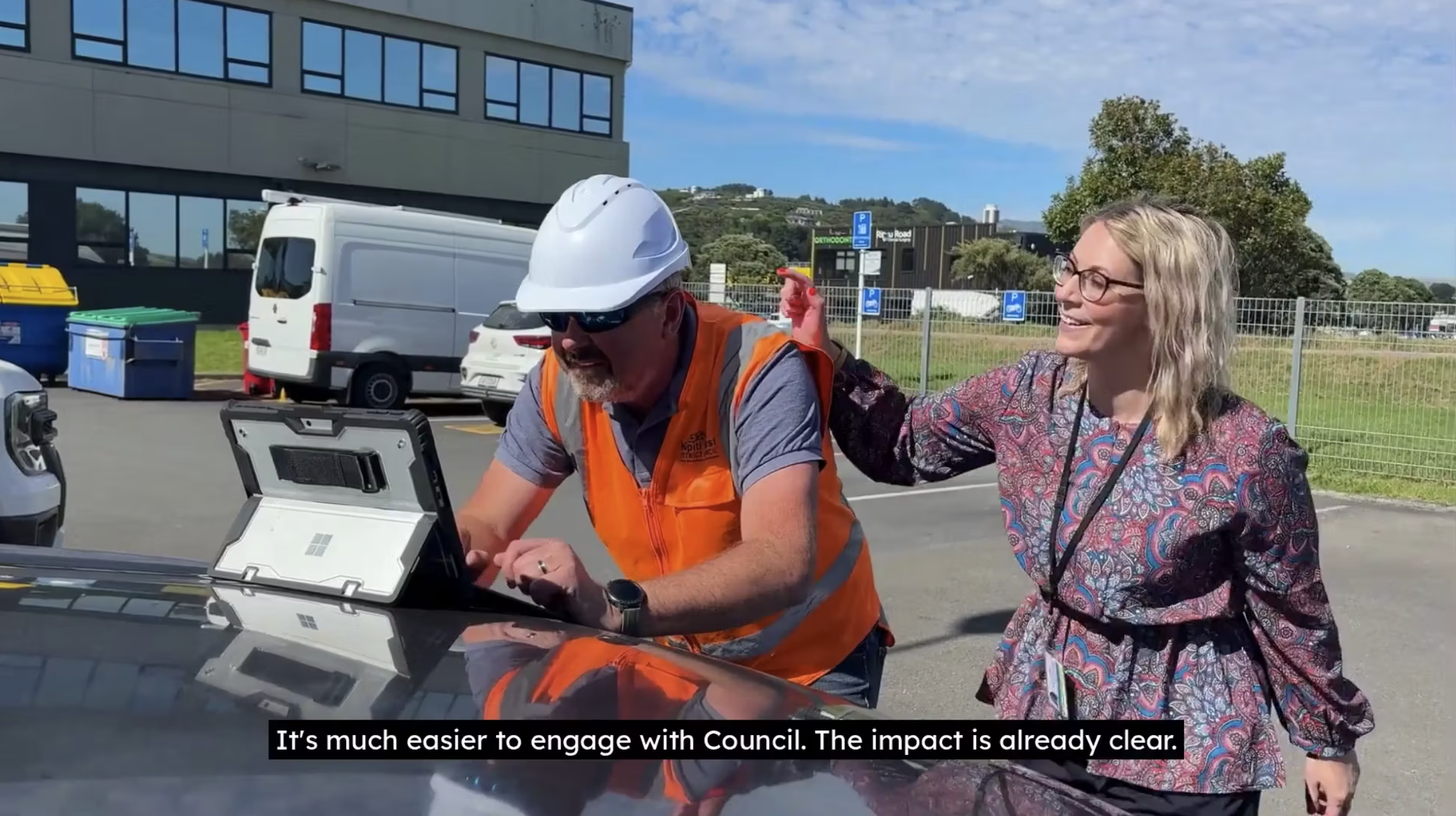
Kāpiti Coast District Council’s Supplier Hub is an innovative, co-designed procurement platform that improves transparency and supplier engagement. It combines a public-facing hub with guidance, opportunities and updates, and an internal dashboard that gives staff market insights and supplier visibility. The system supports supplier diversity and inclusion, strengthens procurement planning, and provides a single, accessible source of information for both suppliers and Council teams.
Watch entryKāpiti Coast District Council’s Supplier Hub is an innovative, co-designed procurement platform that improves transparency and supplier engagement. It combines a public-facing hub with guidance, opportunities and updates, and an internal dashboard that gives staff market insights and supplier visibility. The system supports supplier diversity and inclusion, strengthens procurement planning, and provides a single, accessible source of information for both suppliers and Council teams.
Mobile Ballot Box Tour
Far North District Council
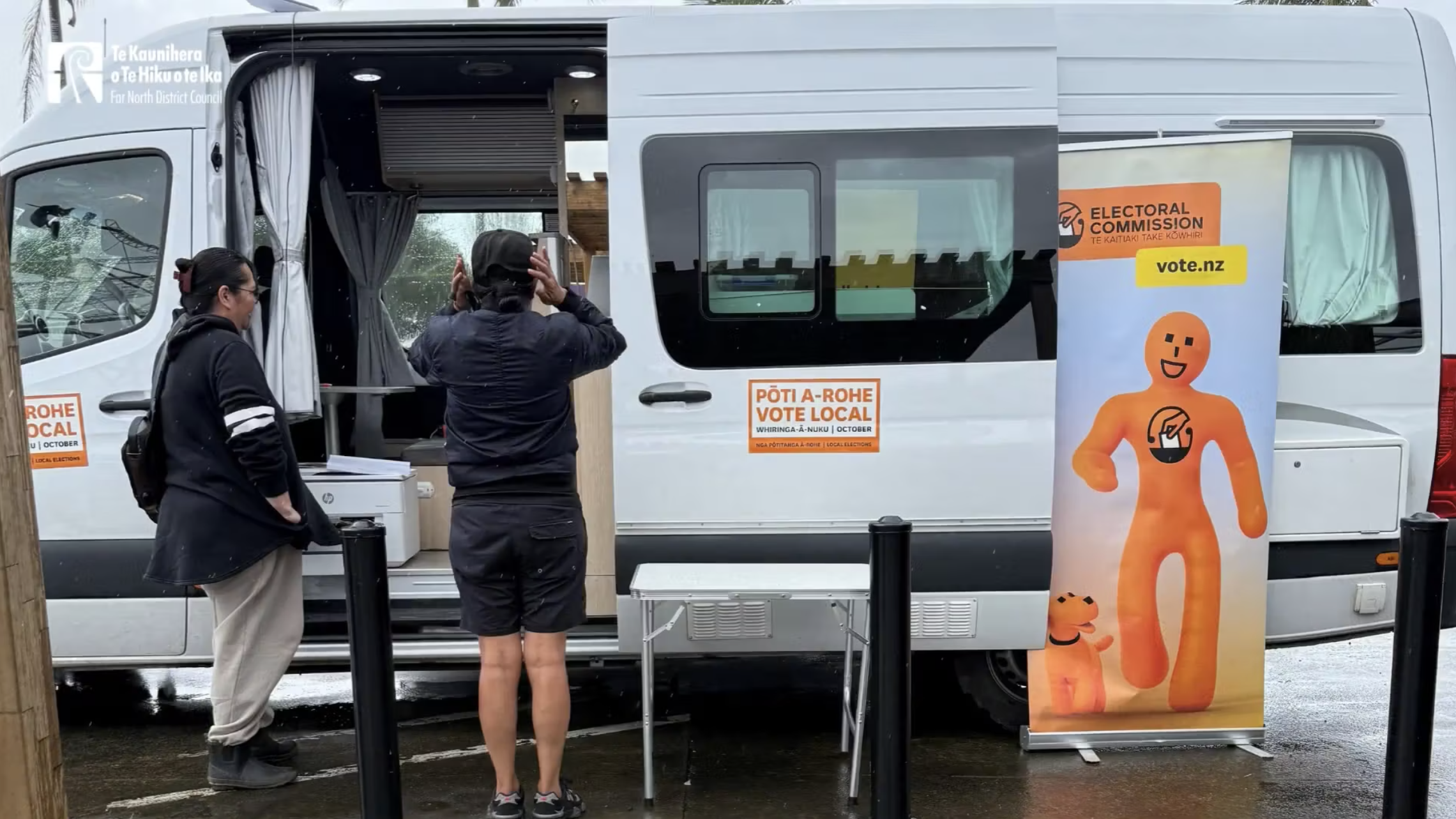
Far North District Council’s Mobile Ballot Box Tour improved access to voting by bringing services directly to communities. Delivered with the Electoral Commission and Northland Regional Council, it used data to prioritise remote areas and operated across 80+ locations, including marae, schools and community hubs. The initiative increased accessibility, boosted engagement, and resulted in higher turnout across all subdivisions, achieving the highest participation in 30 years at 50.7%.
Watch entryFar North District Council’s Mobile Ballot Box Tour improved access to voting by bringing services directly to communities. Delivered with the Electoral Commission and Northland Regional Council, it used data to prioritise remote areas and operated across 80+ locations, including marae, schools and community hubs. The initiative increased accessibility, boosted engagement, and resulted in higher turnout across all subdivisions, achieving the highest participation in 30 years at 50.7%.
Putting Community Partnerships at the Centre of Recovery
Hawke's Bay Regional Council
Following Cyclone Gabrielle, Hawke’s Bay’s Infrastructure Programme Management Office (IPMO) shifted from formal consultation to a relationship-based engagement approach. Delivering a $257m flood resilience programme, it prioritised continuous, culturally grounded engagement with communities and mana whenua. Through co-design, drop-ins and stakeholder groups, community scepticism turned into active participation, strengthening trust and ensuring infrastructure was shaped with and for local people.
Watch entryFollowing Cyclone Gabrielle, Hawke’s Bay’s Infrastructure Programme Management Office (IPMO) shifted from formal consultation to a relationship-based engagement approach. Delivering a $257m flood resilience programme, it prioritised continuous, culturally grounded engagement with communities and mana whenua. Through co-design, drop-ins and stakeholder groups, community scepticism turned into active participation, strengthening trust and ensuring infrastructure was shaped with and for local people.
Ready For Living
Gore District Council
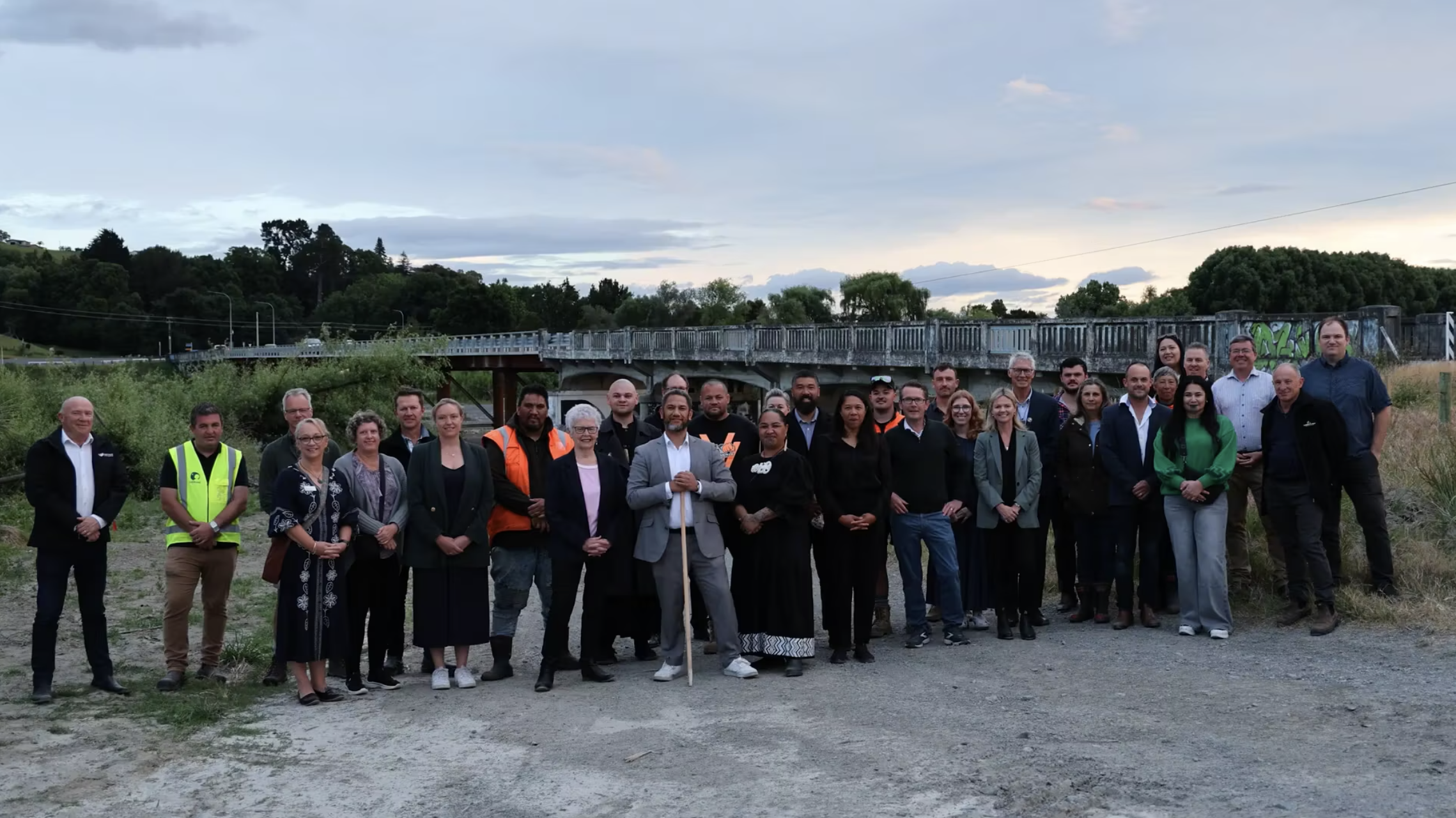
Ready for Living, supported by Gore District Council and the P H Vickery Charitable Trust, is a long-term initiative helping older residents live well, independently and stay connected. It builds understanding of current and future needs through community input, focusing on health, mobility, housing and opportunities. The programme promotes intergenerational connection, raises awareness of challenges facing seniors, and supports equitable access to services across the Gore District.
Watch entryReady for Living, supported by Gore District Council and the P H Vickery Charitable Trust, is a long-term initiative helping older residents live well, independently and stay connected. It builds understanding of current and future needs through community input, focusing on health, mobility, housing and opportunities. The programme promotes intergenerational connection, raises awareness of challenges facing seniors, and supports equitable access to services across the Gore District.
Shaping Shannon: Small Town, Big Ideas
Horowhenua District Council
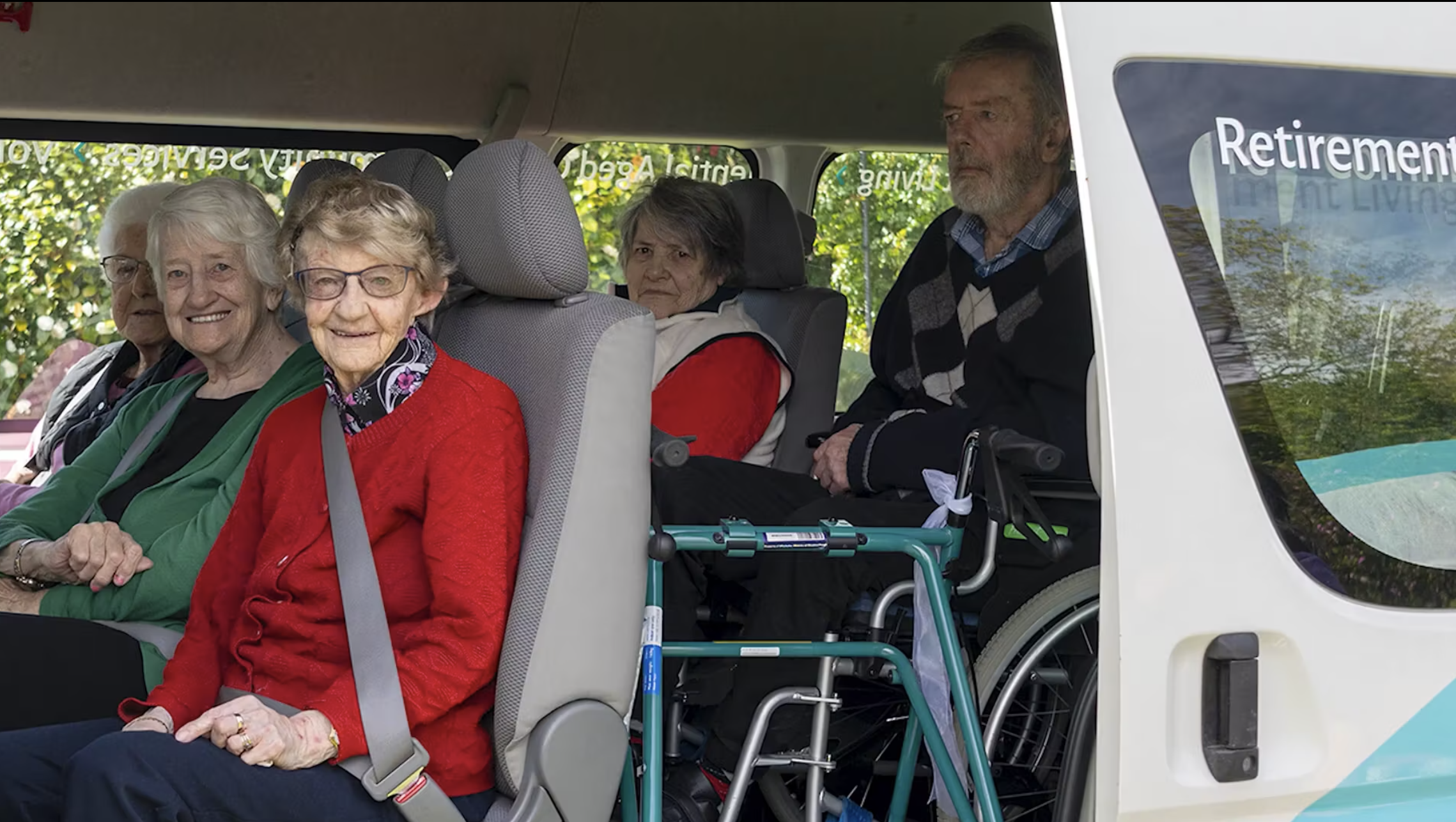
The Shannon/Otāuru Community Plan, led by residents with Horowhenua District Council support, shows the power of community-led engagement. A working group designed consultation materials and outreach activities for all ages, achieving 18.5% participation. Residents’ input directly shaped the draft plan, which was adopted in Shannon—the first council plan adopted in the community. The plan continues to guide locally led action and lasting community impact.
Watch entryThe Shannon/Otāuru Community Plan, led by residents with Horowhenua District Council support, shows the power of community-led engagement. A working group designed consultation materials and outreach activities for all ages, achieving 18.5% participation. Residents’ input directly shaped the draft plan, which was adopted in Shannon—the first council plan adopted in the community. The plan continues to guide locally led action and lasting community impact.
Stand for Something |
Tū Tūturu - Elections 2025
Whakatāne District Council
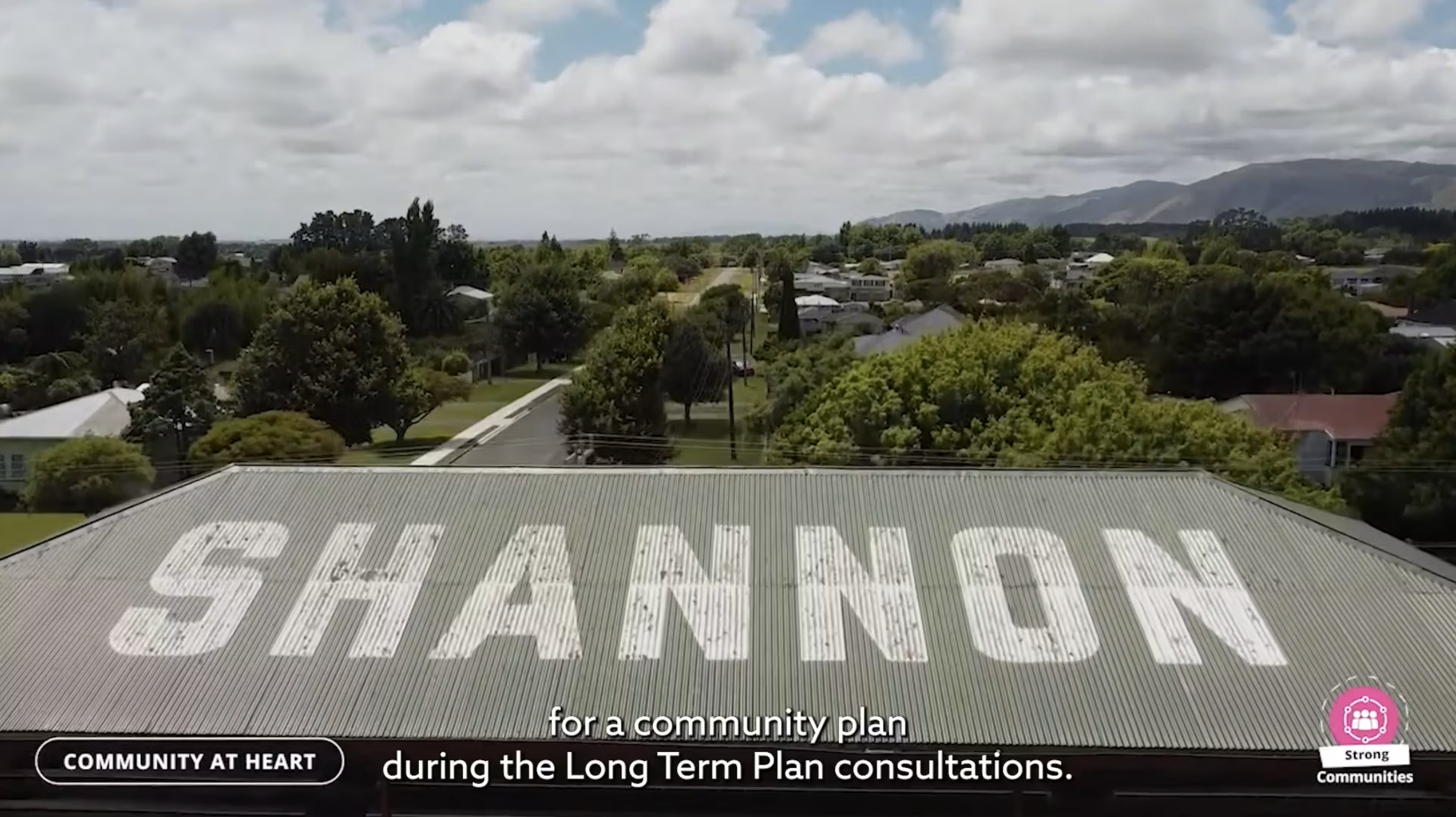
The Stand for Something | Tū Tūturu campaign brought voting to people by delivering mobile, accessible services across everyday locations like supermarkets, hospitals and community hubs. By focusing on being where people are, it enabled participation even in time-poor moments, like drive-through voting. This approach was repeated thousands of times and helped achieve a 49.2% voter turnout—the highest in the Bay of Plenty—showing how adaptable, people-centred democracy can boost engagement.
Watch entryThe Stand for Something | Tū Tūturu campaign brought voting to people by delivering mobile, accessible services across everyday locations like supermarkets, hospitals and community hubs. By focusing on being where people are, it enabled participation even in time-poor moments, like drive-through voting. This approach was repeated thousands of times and helped achieve a 49.2% voter turnout—the highest in the Bay of Plenty—showing how adaptable, people-centred democracy can boost engagement.
Strengthening Resilience in Tararua
Tararua District Council
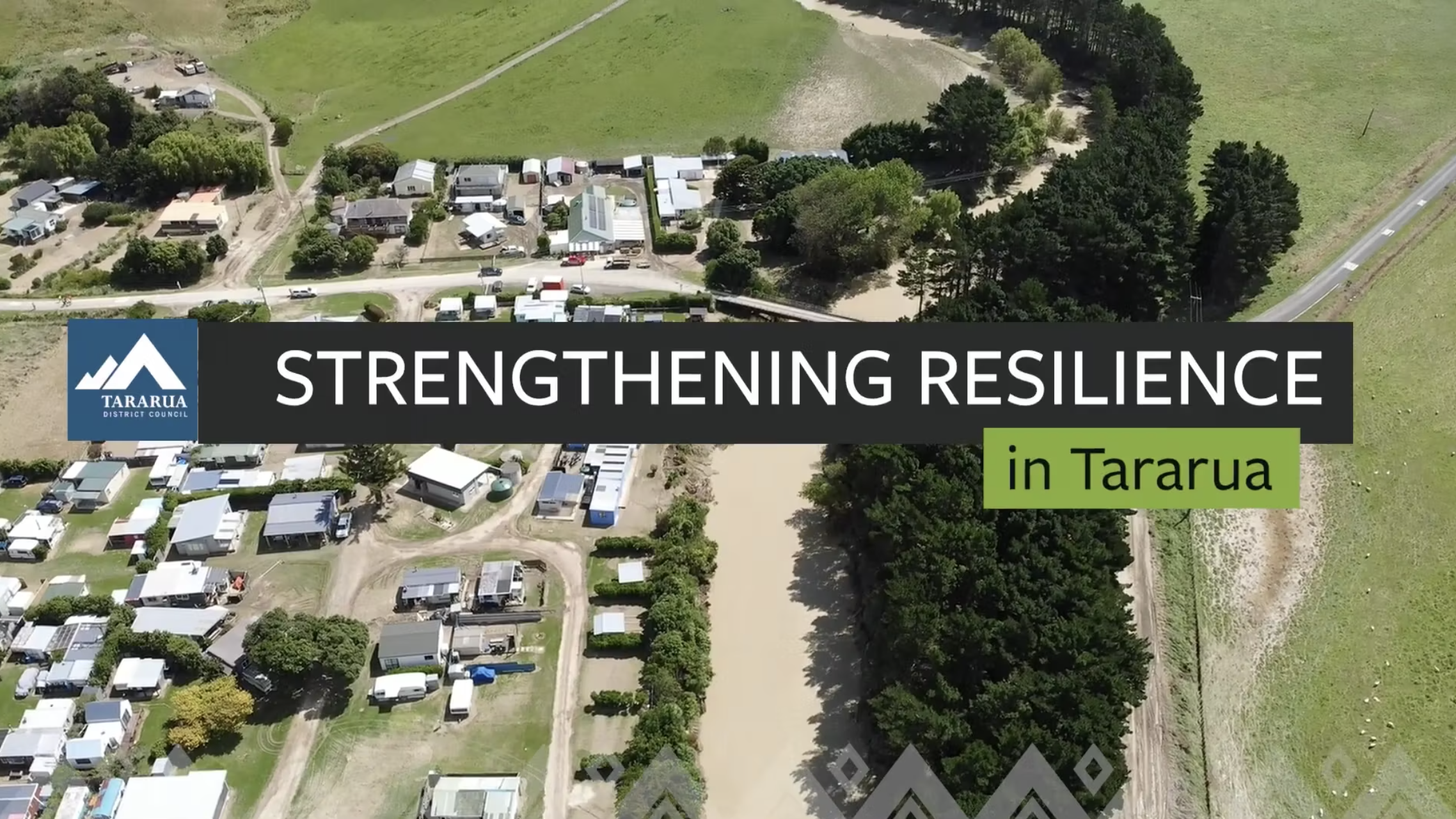
Tararua District Council’s Strengthening Resilience in Tararua programme improved emergency preparedness after Cyclone Gabrielle isolated several rural settlements. Over 15 months, Council engaged communities to assess needs, establish Civil Defence groups, and co-design local solutions. The result is a connected network of rural and urban community hubs, supported by trained volunteers, communication systems and emergency equipment, strengthening district-wide resilience.
Watch entryTararua District Council’s Strengthening Resilience in Tararua programme improved emergency preparedness after Cyclone Gabrielle isolated several rural settlements. Over 15 months, Council engaged communities to assess needs, establish Civil Defence groups, and co-design local solutions. The result is a connected network of rural and urban community hubs, supported by trained volunteers, communication systems and emergency equipment, strengthening district-wide resilience.
Te Ara Ako Waitaki
(The Waitaki Learning Pathway)
Waitaki District Council
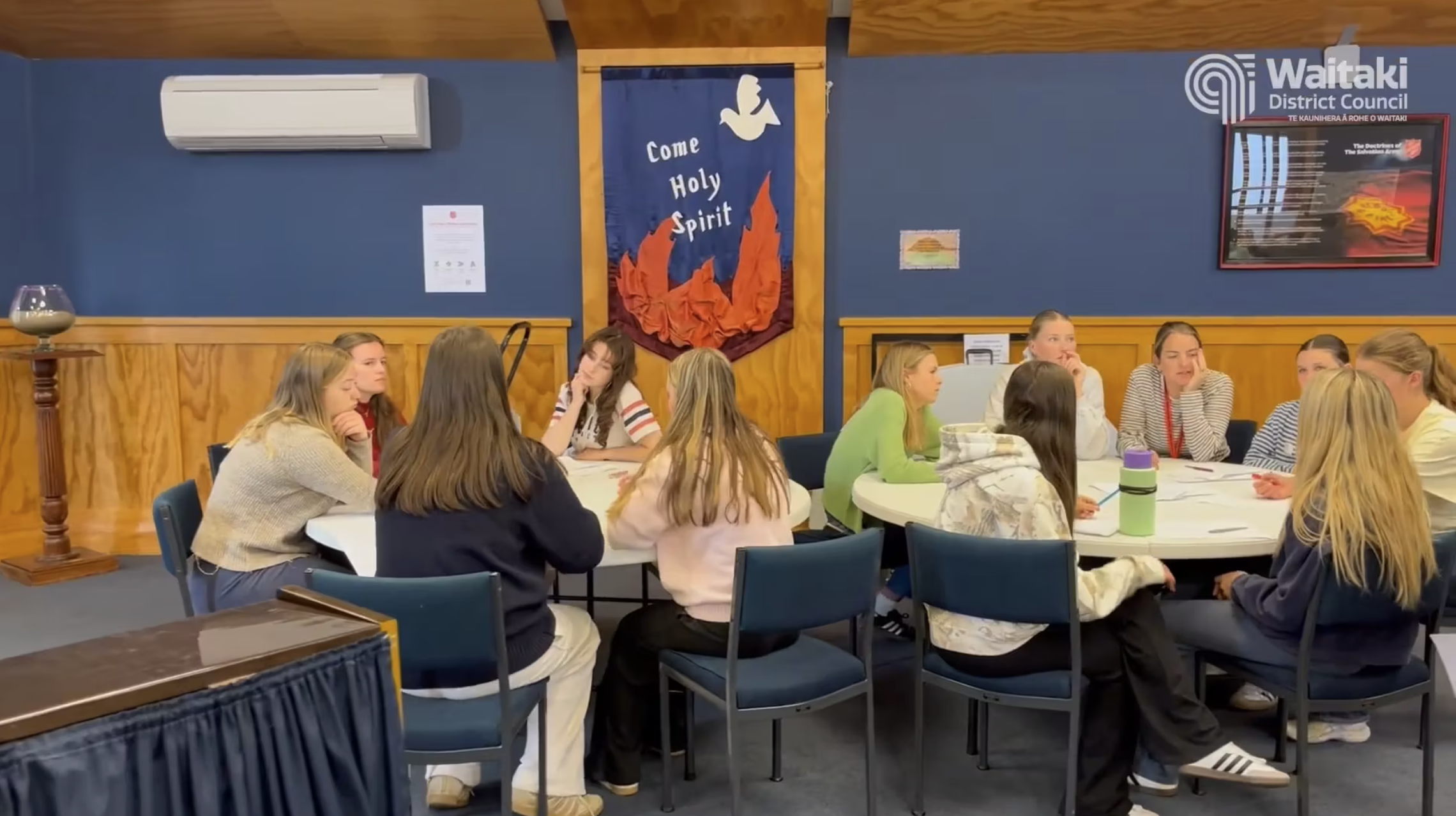
Waitaki District Council’s Education and Engagement team has created a district-wide partnership to enhance learning for schools. Working with local organisations, they provide streamlined access to programmes in road safety, sustainability, arts, culture and mātauranga Māori. The collaboration reduces duplication and delivers richer, place-based experiences. A standout achievement is a co-created interactive environmental model that brings sustainability learning to life and inspires students.
Watch entryWaitaki District Council’s Education and Engagement team has created a district-wide partnership to enhance learning for schools. Working with local organisations, they provide streamlined access to programmes in road safety, sustainability, arts, culture and mātauranga Māori. The collaboration reduces duplication and delivers richer, place-based experiences. A standout achievement is a co-created interactive environmental model that brings sustainability learning to life and inspires students.
The Highest Vote
Queenstown Lakes District Council
The Highest Vote campaign by Queenstown Lakes District Council boosted voter turnout by linking democracy with the region’s alpine identity. Ballot boxes were placed at high-altitude locations like Cardrona Alpine Resort and Treble Cone, alongside accessible voting sites across the district. The creative, place-based approach and strong communications reframed voting as a community-driven, adventurous act, aiming to surpass national turnout and inspire civic participation.
Watch entryThe Highest Vote campaign by Queenstown Lakes District Council boosted voter turnout by linking democracy with the region’s alpine identity. Ballot boxes were placed at high-altitude locations like Cardrona Alpine Resort and Treble Cone, alongside accessible voting sites across the district. The creative, place-based approach and strong communications reframed voting as a community-driven, adventurous act, aiming to surpass national turnout and inspire civic participation.

Tō Reo Tō Mana 2025
Local Elections Campaign
Te Kaunihera o Te Tairāwhiti - Gisborne District Council
Gisborne District Council’s 2025 election campaign, Tō Reo, Tō Mana. Your Voice, Your Power, aimed to increase low voter turnout by making democracy more accessible and locally relevant. Working with iwi and community partners, the campaign used authentic storytelling, bilingual resources and community events to engage residents. The approach lifted overall turnout to 48.1%, Māori Ward turnout to 43.8%, and significantly increased Māori candidate participation, strengthening trust and engagement.
Watch entryGisborne District Council’s 2025 election campaign, Tō Reo, Tō Mana. Your Voice, Your Power, aimed to increase low voter turnout by making democracy more accessible and locally relevant. Working with iwi and community partners, the campaign used authentic storytelling, bilingual resources and community events to engage residents. The approach lifted overall turnout to 48.1%, Māori Ward turnout to 43.8%, and significantly increased Māori candidate participation, strengthening trust and engagement.
Waikirikiri Selwyn Place Brand and Community-Led Platform
Selwyn District Council
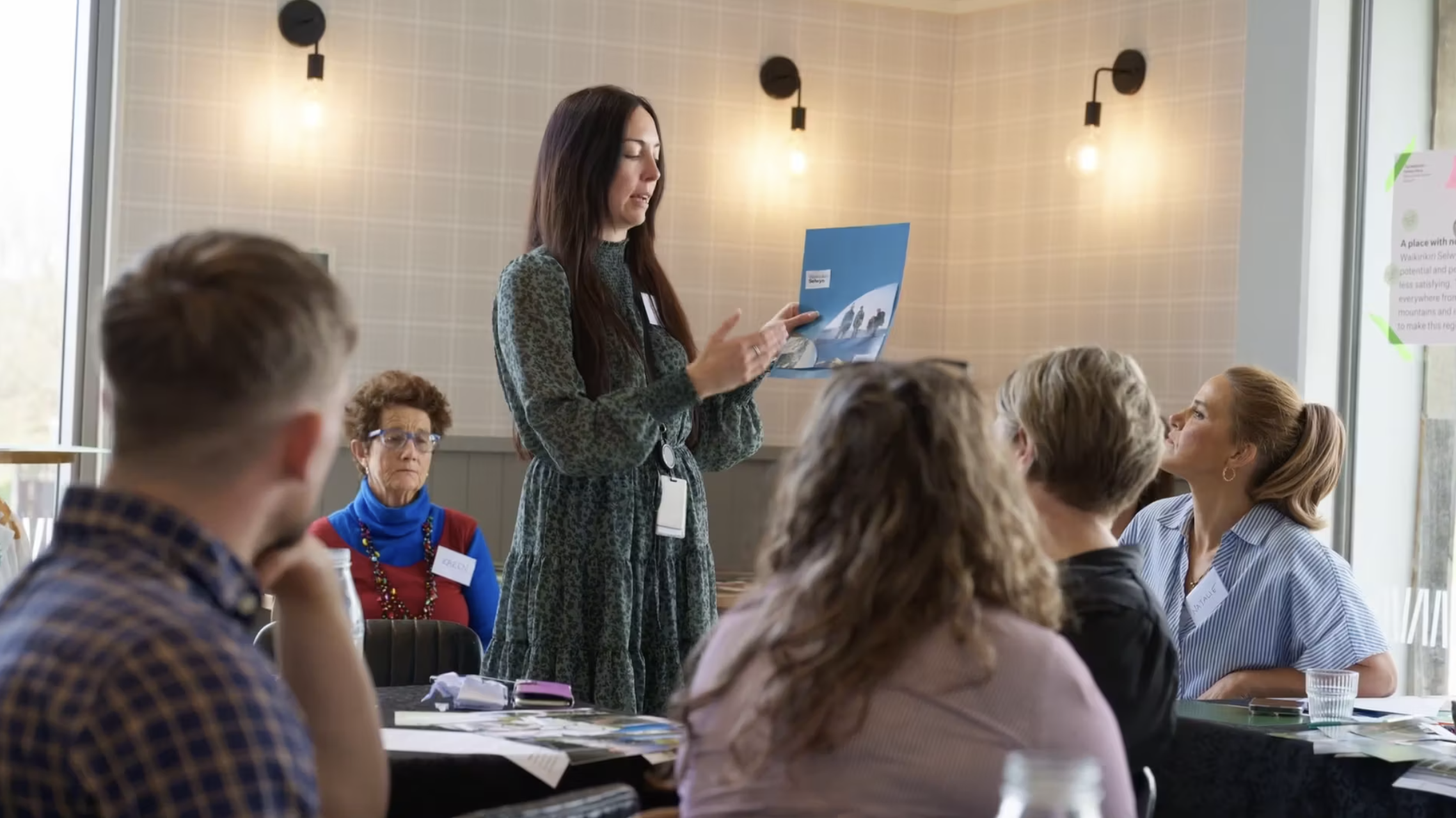
Waikirikiri Selwyn is a community-led place brand developed through engagement with mana whenua, businesses and residents as part of the Kai Aku Rika Economic Development Strategy. Built from extensive kōrero and a district-wide hīkoi, the brand reflects Selwyn’s identity and the idea of abundance, symbolised by the whata. Launched with selwyn.nz and a summer campaign, it promotes local businesses and experiences, with strong community support and participation in sharing Selwyn’s story.
Watch entryWaikirikiri Selwyn is a community-led place brand developed through engagement with mana whenua, businesses and residents as part of the Kai Aku Rika Economic Development Strategy. Built from extensive kōrero and a district-wide hīkoi, the brand reflects Selwyn’s identity and the idea of abundance, symbolised by the whata. Launched with selwyn.nz and a summer campaign, it promotes local businesses and experiences, with strong community support and participation in sharing Selwyn’s story.
Waitoa Citizens Panel
Matamata-Piako District Council
The Waitoa Citizens Panel, led by Matamata-Piako District Council, used a deliberative approach to address the settlement’s long-term drinking water supply. Facing regulatory change, the panel brought together a diverse group of residents to learn, hear expert input and weigh options over several sessions. Their informed recommendations helped guide Council’s decision. The process encouraged respectful discussion, built understanding, and strengthened community connections, offering a model for future local democracy.
Watch entryThe Waitoa Citizens Panel, led by Matamata-Piako District Council, used a deliberative approach to address the settlement’s long-term drinking water supply. Facing regulatory change, the panel brought together a diverse group of residents to learn, hear expert input and weigh options over several sessions. Their informed recommendations helped guide Council’s decision. The process encouraged respectful discussion, built understanding, and strengthened community connections, offering a model for future local democracy.