

This category is sponsored by GHD

This category honours initiatives that deliver real environmental benefits and demonstrate leadership in sustainability and responsible environmental management. This includes projects that protect natural resources, reduce environmental impact, or respond to climate challenges. Entries should highlight measurable outcomes and showcase approaches that can be adopted by other local authorities.
Winner
Pathways to the Sea
Waikato Regional Council
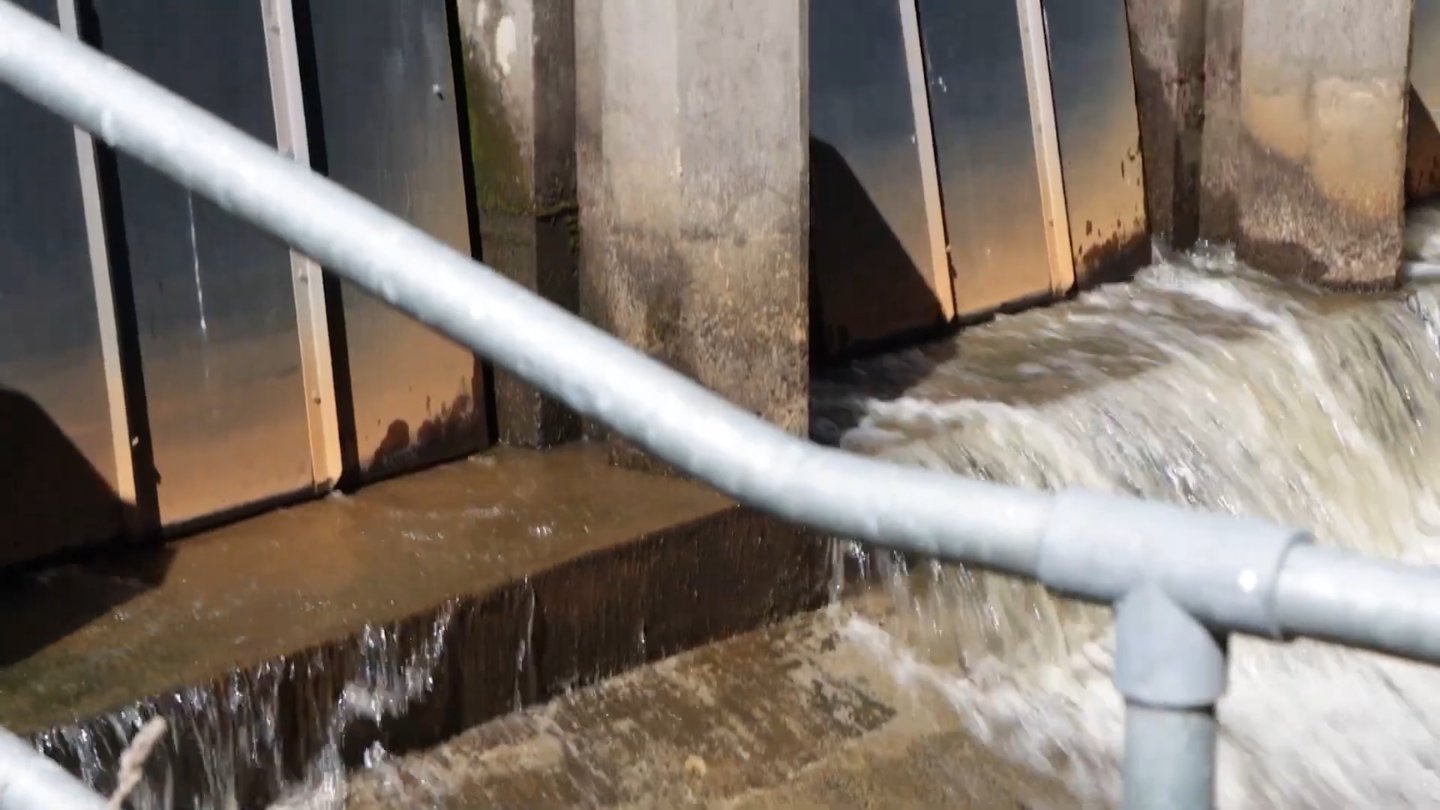
Waikato Regional Council’s Ngā Rerenga ki te Moana Strategy improves safe fish passage through flood infrastructure, especially pump stations that harm native tuna. Based on six years of research with 14 partners, it tested fish-friendly technologies achieving up to 100% safe passage. With strong iwi partnership, the strategy embeds ecological outcomes into planning, is now business-as-usual, and can be applied nationally to support freshwater restoration.
Watch entryWaikato Regional Council’s Ngā Rerenga ki te Moana Strategy improves safe fish passage through flood infrastructure, especially pump stations that harm native tuna. Based on six years of research with 14 partners, it tested fish-friendly technologies achieving up to 100% safe passage. With strong iwi partnership, the strategy embeds ecological outcomes into planning, is now business-as-usual, and can be applied nationally to support freshwater restoration.
Leading forestry consenting processes in Aotearoa
Te Kaunihera o Te Tairāwhiti - Gisborne District Council
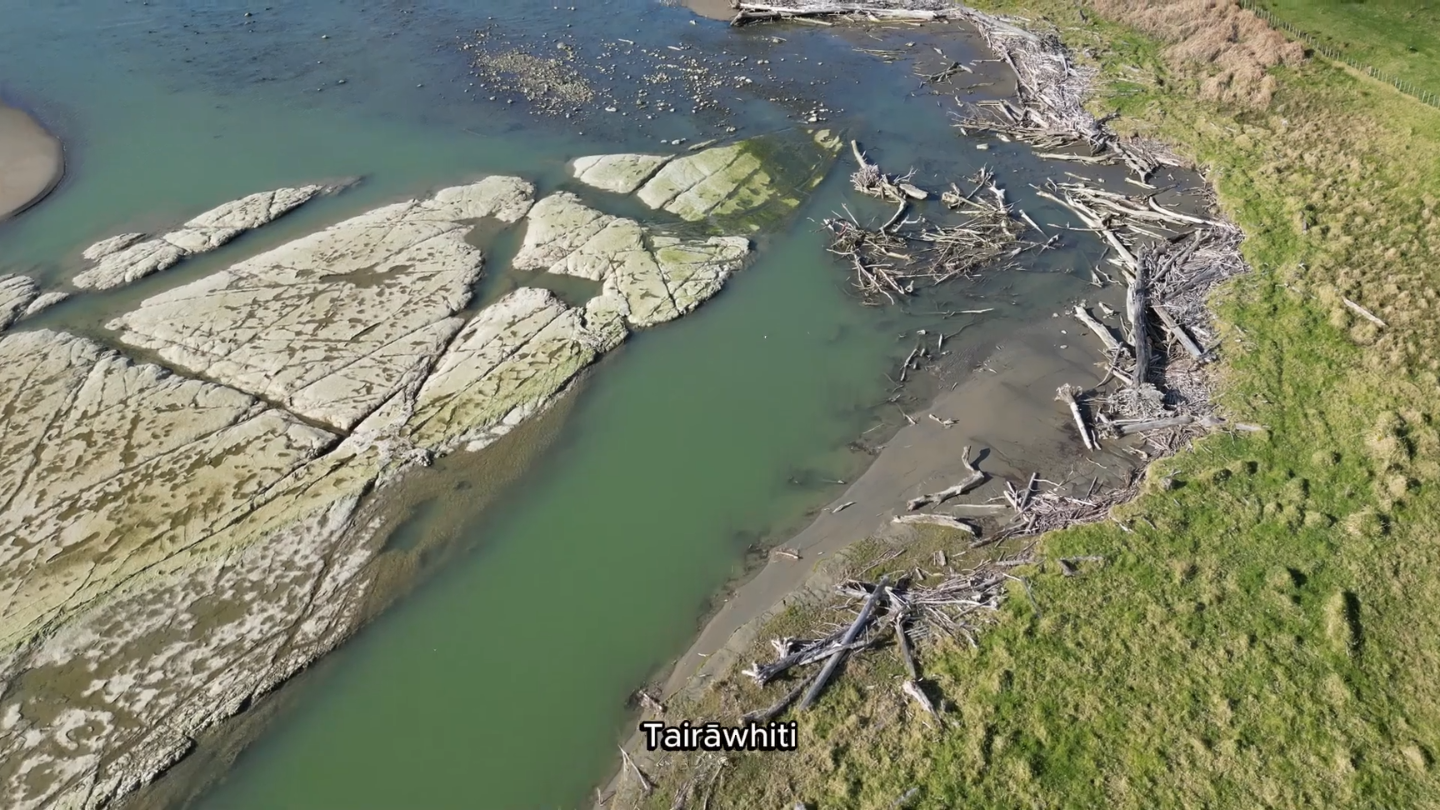
Tairāwhiti steep terrain, fragile geology, and heavy rainfall make it highly prone to erosion and landslides. Gisborne District Council manages 826,500 ha, including 155,000 ha of forestry, a key economic sector with environmental risks. In response to storms and past land use impacts, GDC strengthened forestry regulation with risk-based consents, improved guidance, and monitoring, enhancing environmental protection while supporting industry clarity and better outcomes.
Watch entryTairāwhiti steep terrain, fragile geology, and heavy rainfall make it highly prone to erosion and landslides. Gisborne District Council manages 826,500 ha, including 155,000 ha of forestry, a key economic sector with environmental risks. In response to storms and past land use impacts, GDC strengthened forestry regulation with risk-based consents, improved guidance, and monitoring, enhancing environmental protection while supporting industry clarity and better outcomes.
Project to remove single use cups from our corporate cafes
Auckland Council
In May 2025, Auckland Council removed single-use cups across four offices, eliminating 312,000 cups annually and shifting 1,200 daily drinks to reusables. Supporting its 2030 waste reduction goal, the initiative drove organisation-wide behavioural change despite revenue impacts. Led by values over cost, it aligned practice with policy and showcased cross-team collaboration, sustainability leadership, and successful large-scale operational transformation.
Watch entryIn May 2025, Auckland Council removed single-use cups across four offices, eliminating 312,000 cups annually and shifting 1,200 daily drinks to reusables. Supporting its 2030 waste reduction goal, the initiative drove organisation-wide behavioural change despite revenue impacts. Led by values over cost, it aligned practice with policy and showcased cross-team collaboration, sustainability leadership, and successful large-scale operational transformation.

Protecting the Mataura River
Gore District Council
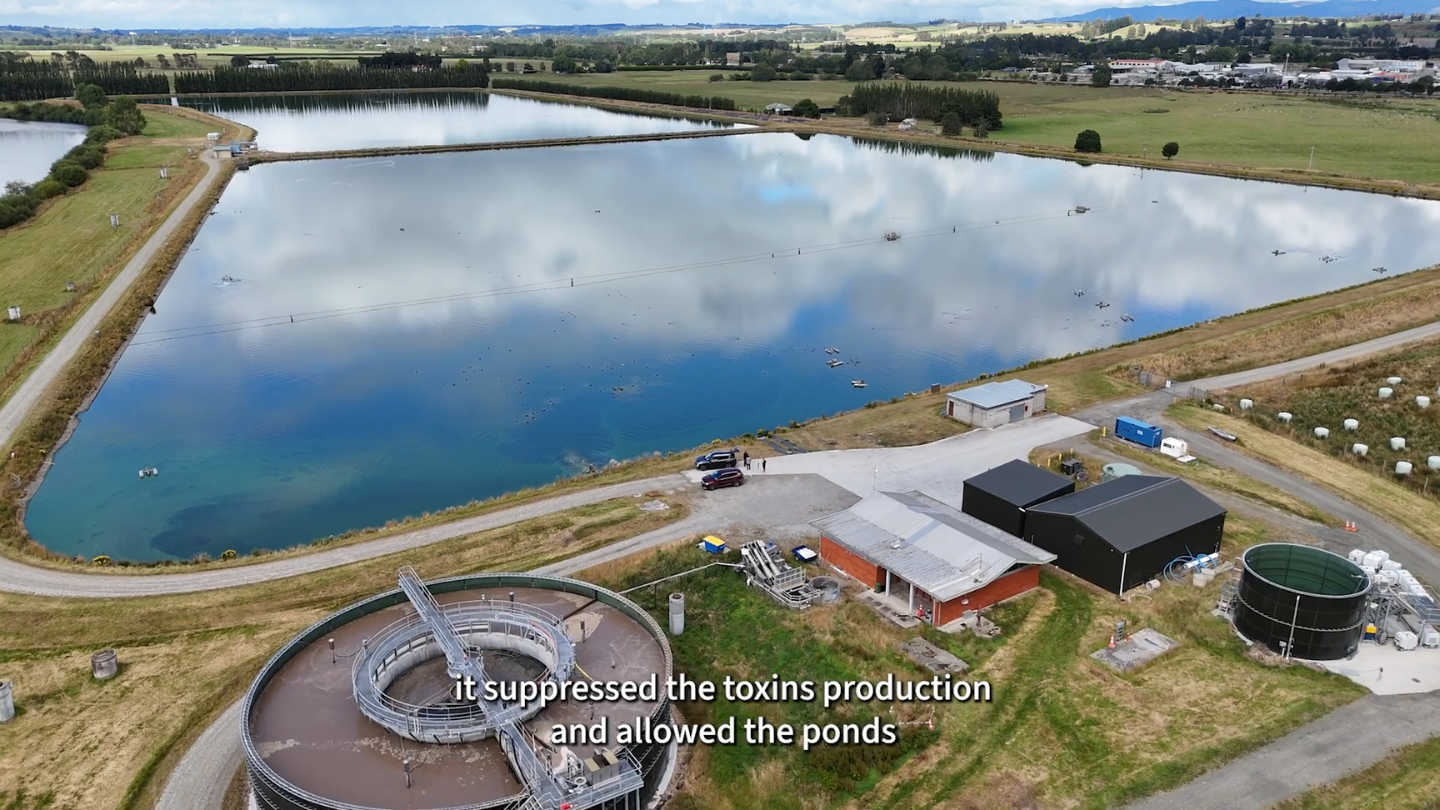
In February 2025, Gore District Council faced a major algal bloom in wastewater ponds, with toxin-producing cyanobacteria. Conventional treatments risked environmental harm, especially to the Mataura River. Working with partners, the 3 Waters team used EarthTec, a new method in NZ, to suppress toxins while protecting treatment processes and compliance. The project highlights innovative, environmentally responsible wastewater management.
Watch entryIn February 2025, Gore District Council faced a major algal bloom in wastewater ponds, with toxin-producing cyanobacteria. Conventional treatments risked environmental harm, especially to the Mataura River. Working with partners, the 3 Waters team used EarthTec, a new method in NZ, to suppress toxins while protecting treatment processes and compliance. The project highlights innovative, environmentally responsible wastewater management.
Recloaking Papatūānuku
Greater Wellington Regional Council
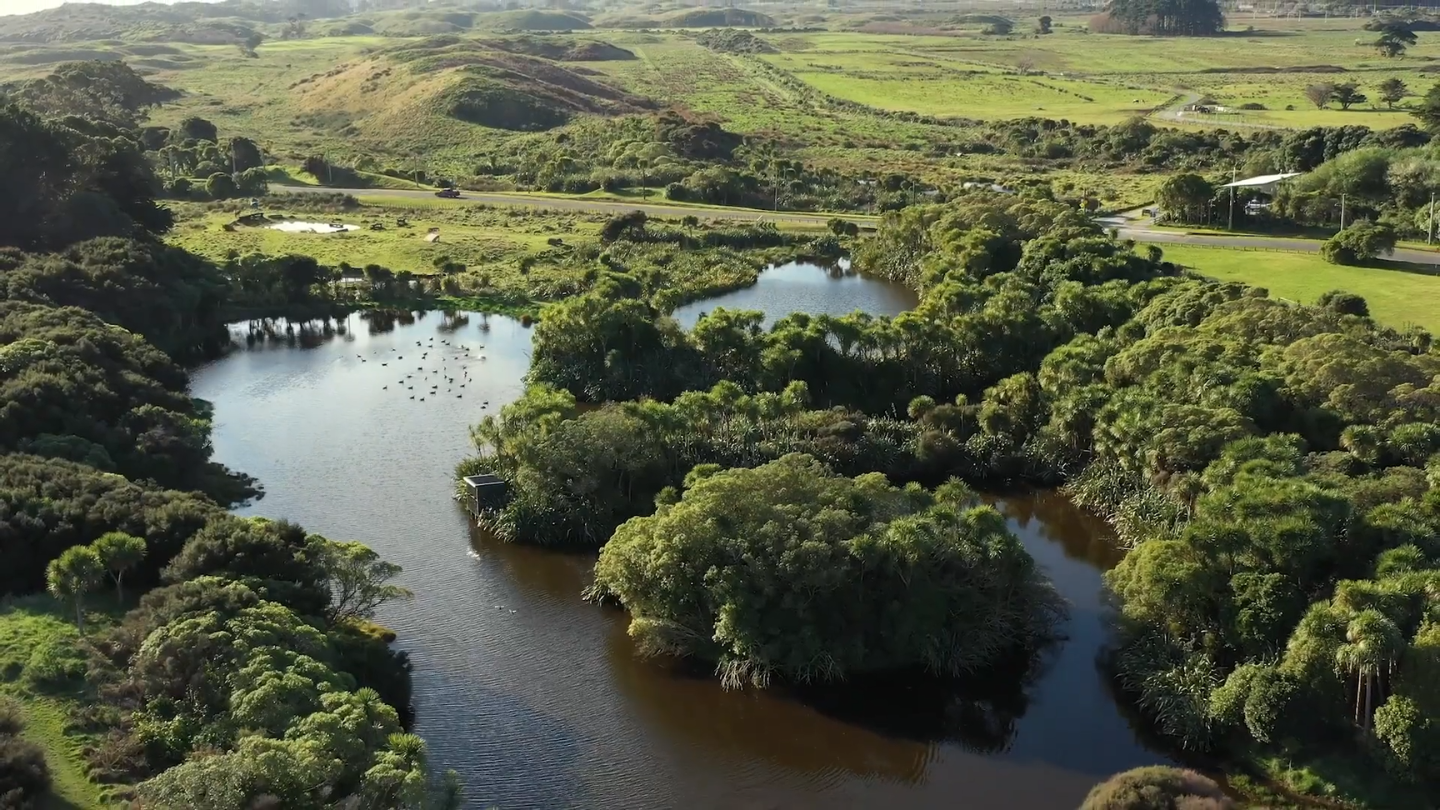
Greater Wellington’s Recloaking Papatūānuku project is a major native planting and restoration effort, with over 950,000 trees planted in four years across former farmland. Aiming for one million by 2026 and sustained planting beyond, it supports climate action using carbon credits. Co-designed with mana whenua and supported by communities, it restores ecosystems, strengthens partnerships, and reconnects people with nature.
Watch entryGreater Wellington’s Recloaking Papatūānuku project is a major native planting and restoration effort, with over 950,000 trees planted in four years across former farmland. Aiming for one million by 2026 and sustained planting beyond, it supports climate action using carbon credits. Co-designed with mana whenua and supported by communities, it restores ecosystems, strengthens partnerships, and reconnects people with nature.
Tree Canopy Model
Hamilton City Council
Hamilton City Council’s Tree Canopy Model uses LiDAR and geospatial data to map over 209,000 trees, providing a detailed, repeatable view of canopy change. Built in-house from 18 billion data points, it supports planning, climate resilience, and District Plan rules on canopy coverage. Updated biennially, it informs initiatives like heat mitigation and biodiversity, offering a transferable, data-driven approach to urban forest management.
Watch entryHamilton City Council’s Tree Canopy Model uses LiDAR and geospatial data to map over 209,000 trees, providing a detailed, repeatable view of canopy change. Built in-house from 18 billion data points, it supports planning, climate resilience, and District Plan rules on canopy coverage. Updated biennially, it informs initiatives like heat mitigation and biodiversity, offering a transferable, data-driven approach to urban forest management.
Tupua Horo Nuku
Hutt City Council
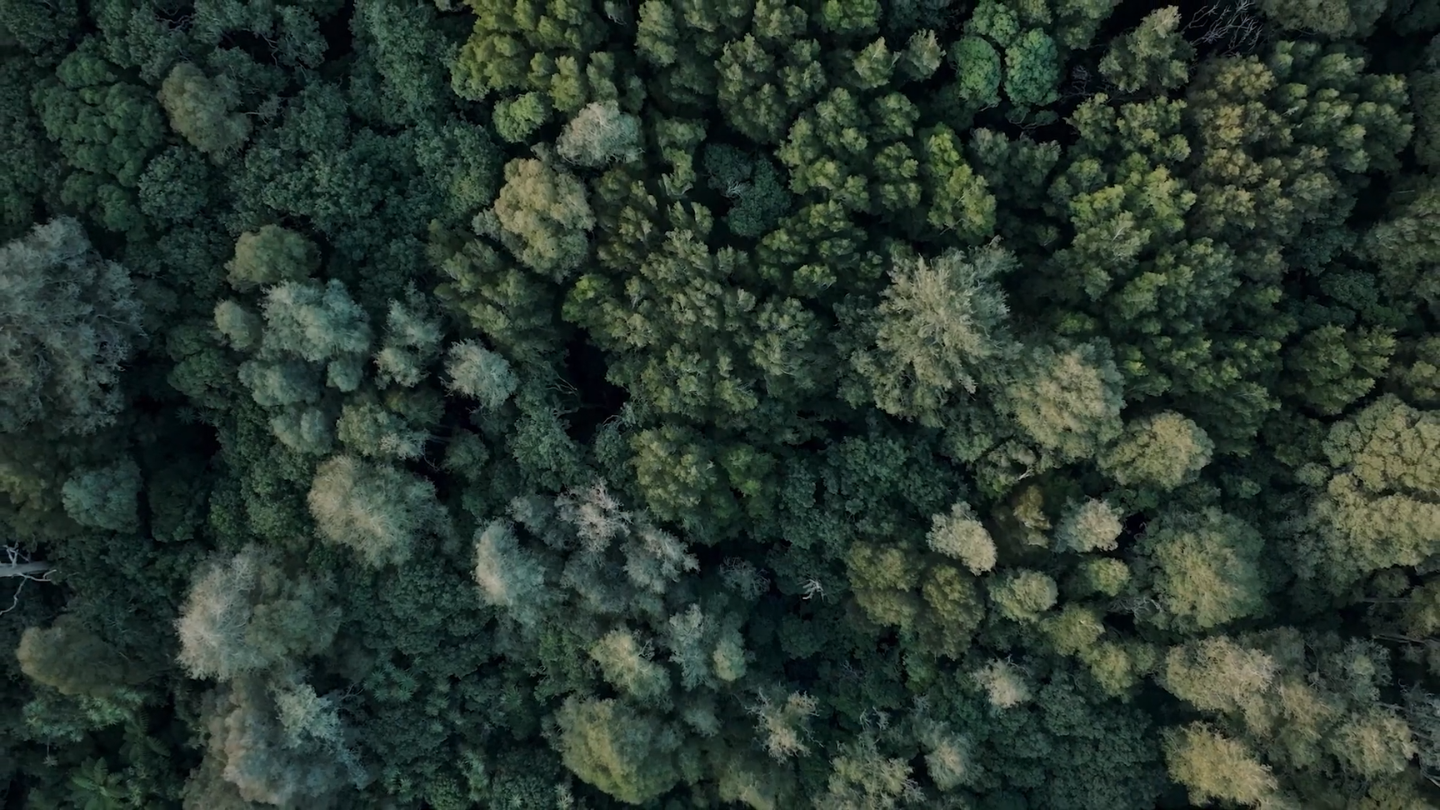
Tupua Horo Nuku is a 4.4 km coastal resilience and shared path project in Lower Hutt, strengthening the vulnerable Marine Drive corridor. Instead of a traditional seawall, it integrates ecological features like tidal pools, fish passage, and habitat protection areas for native birds. Delivered with partners and mana whenua, it combines climate resilience, active transport, and environmental enhancement for long-term community benefit.
Watch entryTupua Horo Nuku is a 4.4 km coastal resilience and shared path project in Lower Hutt, strengthening the vulnerable Marine Drive corridor. Instead of a traditional seawall, it integrates ecological features like tidal pools, fish passage, and habitat protection areas for native birds. Delivered with partners and mana whenua, it combines climate resilience, active transport, and environmental enhancement for long-term community benefit.
Waste Free Waitaki
Waitaki District Council
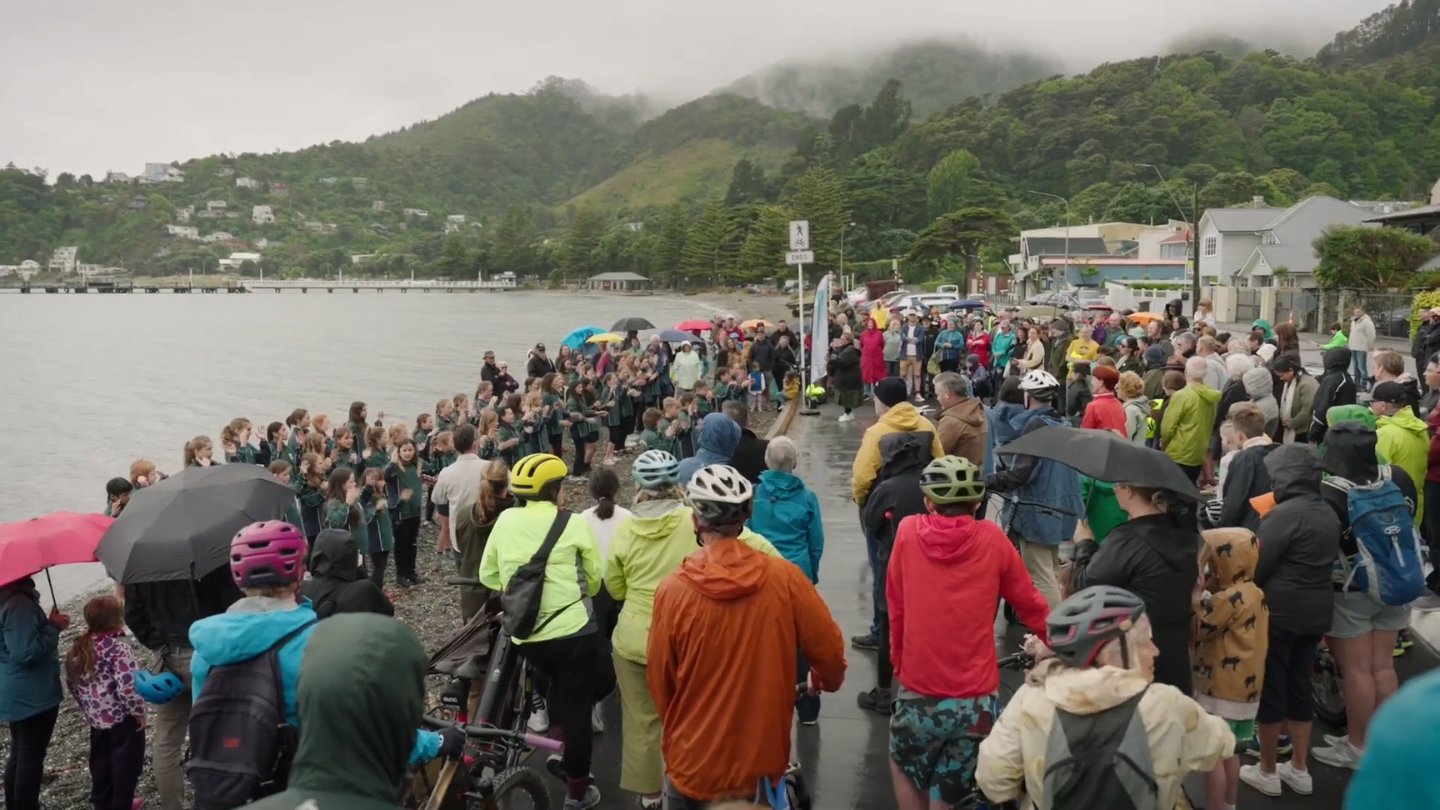
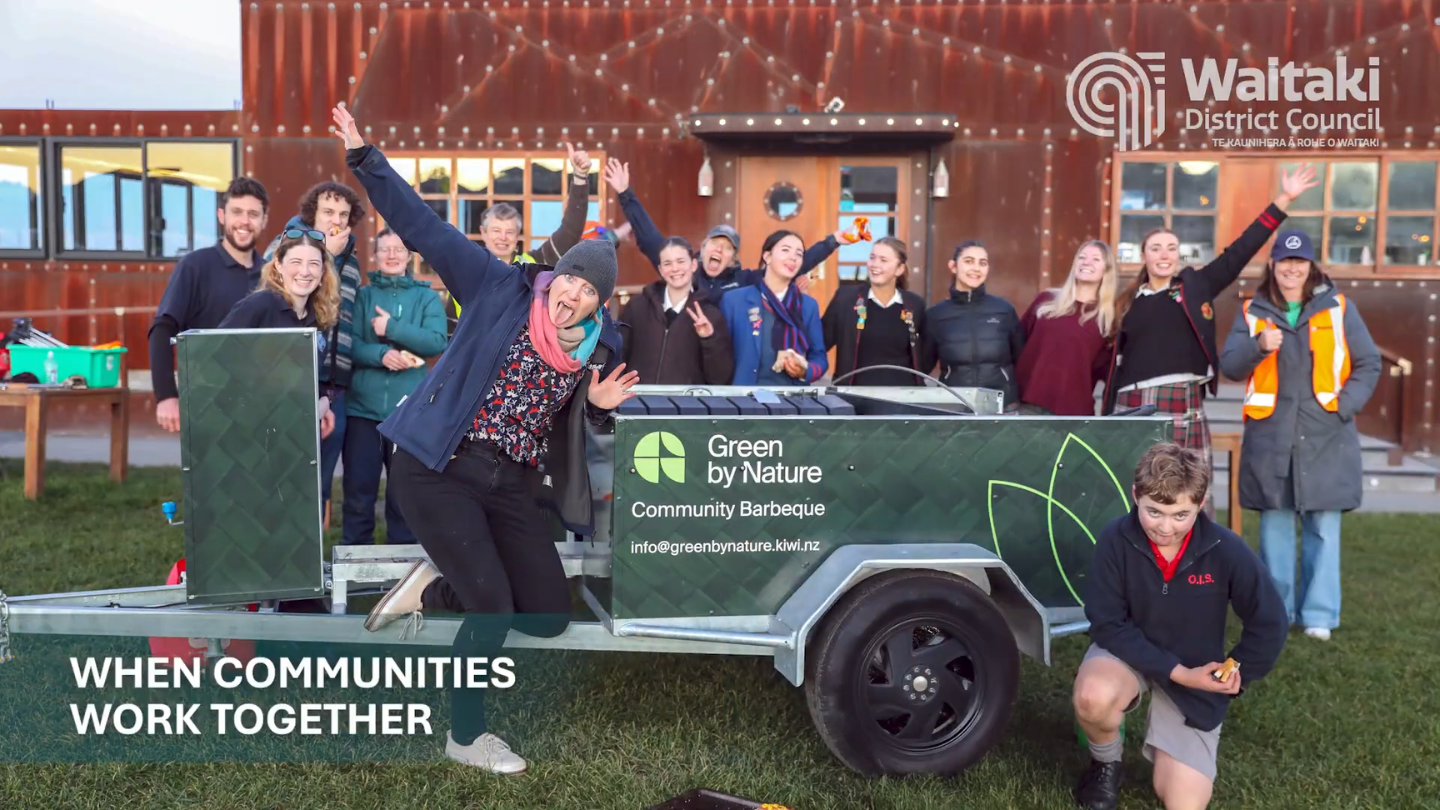
Waitaki District Council’s Waste Free Waitaki programme drives community-led sustainability through SAFE Battery Recycling Units and the BYO Cups campaign. Battery units tackle fire risks from lithium waste, while reusable cup initiatives shift behaviour and reduce single-use waste. Together, they lower environmental risks, empower communities, and build a culture of responsibility, showcasing an innovative, scalable approach to waste reduction.
Watch entryWaitaki District Council’s Waste Free Waitaki programme drives community-led sustainability through SAFE Battery Recycling Units and the BYO Cups campaign. Battery units tackle fire risks from lithium waste, while reusable cup initiatives shift behaviour and reduce single-use waste. Together, they lower environmental risks, empower communities, and build a culture of responsibility, showcasing an innovative, scalable approach to waste reduction.
Vote for your choice and help recognise the projects making the biggest impact – open exclusively to Taituarā members!
Voting is open 13 - 17 April.
Vote hereVoting is open 13 - 17 April.