
What does this event cover
As a democracy professional, you’re often called on to provide advice in situations where expectations, roles and appropriate boundaries aren’t always clear. How do you give useful advice while maintaining political neutrality? Where does governance or procedural advice end and political advice begin? And how do you navigate difficult conversations while maintaining trusted relationships?
The second in our series of four online Democracy Professionals Forums will help you build confidence in your role as a trusted advisor.
You’ll hear from experts and experienced practitioners, learn from your peers and work through realistic scenarios based on the kinds of challenges you face in your day-to-day work.
Rather than simply listening to presentations, you’ll have the opportunity to test your judgement, explore how others approach difficult governance situations and develop practical ways to navigate them in your own council.
You’ll leave with:
- practical ways to distinguish governance and procedural advice from political advice
- greater confidence exercising your judgement in sensitive or ambiguous situations
- useful approaches and language for difficult conversations with elected members
- strategies to help you maintain professional boundaries, political neutrality and trusted relationships
- insights into how experienced practitioners approach common governance dilemmas
- practical prompts you can use when providing advice and making decisions in the future.
Democracy Professionals Forum Series
The Democracy Professionals Forum Series is a year-long programme designed around the priorities identified by democracy professionals across Aotearoa.
In the recent Taituarā Democracy Professionals Survey, 70 democracy professionals shared their professional development priorities, current challenges, and views on the issues likely to shape the profession over the next 1–3 years.
Forum topics have come directly from the highest-priority themes identified through the survey. Final topics and speakers will be confirmed as programme development progresses.
Previous forums:
(If you purchase the package you will have access to watch the previous forums)
- Friday 21 August 2026 – AI for democracy professional: practical tools and responsible use
Explore how AI is transforming democracy practice. Gain practical tools, hear from experts, and learn how to use AI responsibly in local government.
Future forums:
- 9am-12pm, Friday 19 February 2027 – Legislative change and the future of local democracy
Understanding legislative reform, governance implications, and emerging trends affecting councils and democratic decision-making. - 9am-12pm, Friday 21 May 2027 – Leadership, influence and elected member capability
Building influence, strengthening relationships, supporting elected members, and navigating increasingly complex governance environments.
This series has been designed to provide:
- Practical tools and resources that can be applied immediately
- Real-world examples and case studies
- Insight into emerging issues affecting democracy professionals
- Opportunities to learn from peers across the sector
The four-forum package provides a cost-effective way to participate in the full programme and stay connected to the issues shaping democracy practice across Aotearoa.
Who should attend?
This forum is designed for local government democracy professionals and others who advise elected members on governance and procedural matters. It will be particularly useful for practitioners who navigate sensitive situations, manage expectations, maintain professional boundaries or support difficult conversations. Participants should be prepared to contribute to online discussion and a short scenario-based breakout.
Programme overview
Fri 13 Nov 2026 9:00 am - Trusted Advice and Governance Practice
9.00am Welcome
Philip Shackleton, Principal Advisor Sector Readiness, Taituarā
Welcome, opening karakia, brief overview and handover to the Chair.
9.02am Chair’s welcome
Julie Straka, Manager of Governance, New Plymouth District Council
Chair’s welcome, learning outcomes, purpose and online participation.
9.10am Setting the frame: the democracy professional as trusted advisor
Dr Mike Reid, Principal advisor, LGNZ
With one or two online prompts.
9.40am Governance judgement in real situations
Julie Straka, supported by Joy Doran from Taituarā in coordinating the panel, with Carol Hayward, Robyn Byrne, Rebecca Williams and Hannah White as practitioner panel members
Short practitioner examples and moderated questions.
10.25am Scenario breakouts
Julie Straka, supported by Joy Doran from Taituarā in coordinating the breakout-room sessions
Small online groups consider one realistic scenario and report back one key point.
10.45am Online break
10.55am Difficult conversations, boundaries and maintaining trust
Susan Freeman-Greene, Founder, “Susan Freeman-Greene”
Worked examples, structured prompts and moderated Q&A.
11.35am Practical prompts and Ask the Experts
Julie Straka, Manager of Governance, New Plymouth District Council
Drawing together chat, Q&A and breakout themes.
11.55am Closing
Philip Shackleton, Principal Advisor Sector Readiness, Taituarā
Thank participants and speakers, confirm follow-up, and offer a closing karakia.
Your facilitators and guest speakers

Dr Mike Reid

Mike has recently marked his 30th year with LGNZ. In that time, he has advised on multiple issues, from legislation to elected member training and local democracy. These days he is working part time and specialising in governance, which was also a focus of his PhD. He is currently updating LGNZ’s suite of governance guides to incorporate the Government’s recent changes to the way in which councils operate. He began his local government career at Christchurch City Council in the mid-1980s as a community development adviser.

Susan Freeman-Greene
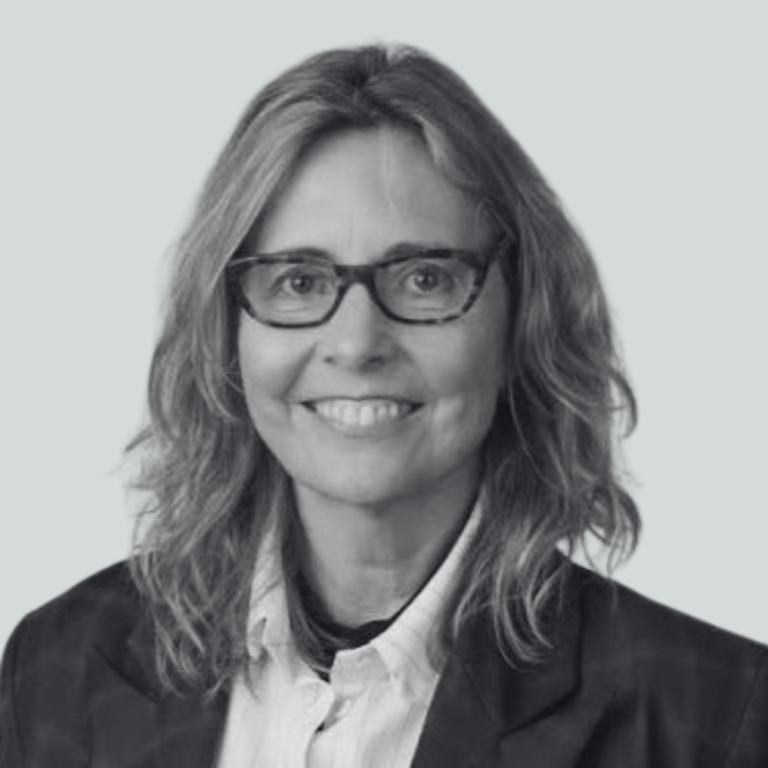
Susan Freeman-Greene began her career as a lawyer before spending a decade as a professional mediator, helping people navigate conflict, disputes and difficult conversations.
She then spent over fifteen years in chief executive roles, including as Chief Executive of Local Government New Zealand, Engineering New Zealand and the Broadcasting Standards Authority. At LGNZ, Susan worked closely with mayors, councillors, chief executives and central government in an environment where professional advice, political judgement, relationships and public accountability constantly intersected.
Across these roles, much of her work involved the same underlying challenge: how to give clear advice, navigate competing interests, have difficult conversations, maintain appropriate boundaries and preserve the trust needed to keep working together.
Susan now works as an independent mediator and facilitator, alongside governance and leadership roles. She works particularly with complex and sensitive situations where relationships, organisational pressures, governance responsibilities, legal considerations and reputation are often all in play.
She brings a calm, grounded and pragmatic approach, with a strong focus on creating the conditions for honest conversations without unnecessarily increasing the temperature in the room.

Philip Shackleton

Philip joined Taituarā in September 2025, as Principal Advisor, Sector Readiness.
He brings over 20 years of experience, and relationships in local government and the public sector.
His career includes 10 years in senior roles with councils and more recently 7 years as Principal Policy Advisor with Local Government New Zealand. He has most recently worked in leadership roles at Waka Kotahi and at EECA where he was Development Lead in the Standards and Regulations Team. Philip’s expertise includes policy development, regulatory analysis, stakeholder management, and project and programme delivery.
In his role as Principal Advisor, Sector Readiness, Philip is committed to supporting the Sector Readiness Team develop tools and resources that help the sector prepare for and successfully implement new legislation and policies.