
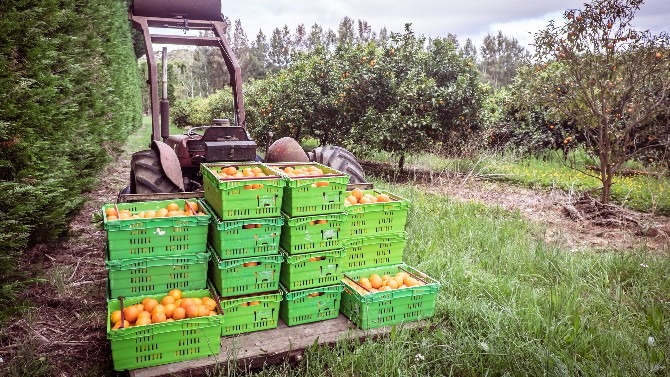
The new National Policy Statement for Highly Productive Land (NPS-HPL) will take effect on 17 October 2022. It aims to protect highly productive land for land-based primary production (e.g. growing vegetables, fruit, farming and other food, forestry and fibre) and to prevent its use for lifestyle or urban development such as housing (except in very limited circumstances).
Read the Beehive media release.
Access the National Policy Statement on the Ministry for the Environment website.
The objectives, policies and implementation clauses will have immediate legal effect. This means that councils will need to take relevant provisions into account when considering resource consent applications and applications for plan changes.
Regional councils will then have three years to map highly productive land in its region (unless it has already been identified for future urban development) and notify that land using maps in a proposed regional policy statement. Once those maps become operative, territorial authorities will have no more than six months to include those maps in their district plans.
The intent of the NPS-HPL will be transitioned into the National Planning Framework developed under the Natural and Built Environments Act.