Change is coming. But what we do with it is up to us.
That was one of the strongest threads running through Te Hui Taituarā 2026, as 264 local government professionals came together in Ngāmotu New Plymouth for a few days of kōrero, challenge, new ideas and connection.
Across our keynote programme and immersive sessions, speakers approached the challenges facing local government from very different perspectives. But again and again, they returned to similar ideas: the importance of resilience, connection and collaboration, and the need to take responsibility for shaping what comes next.
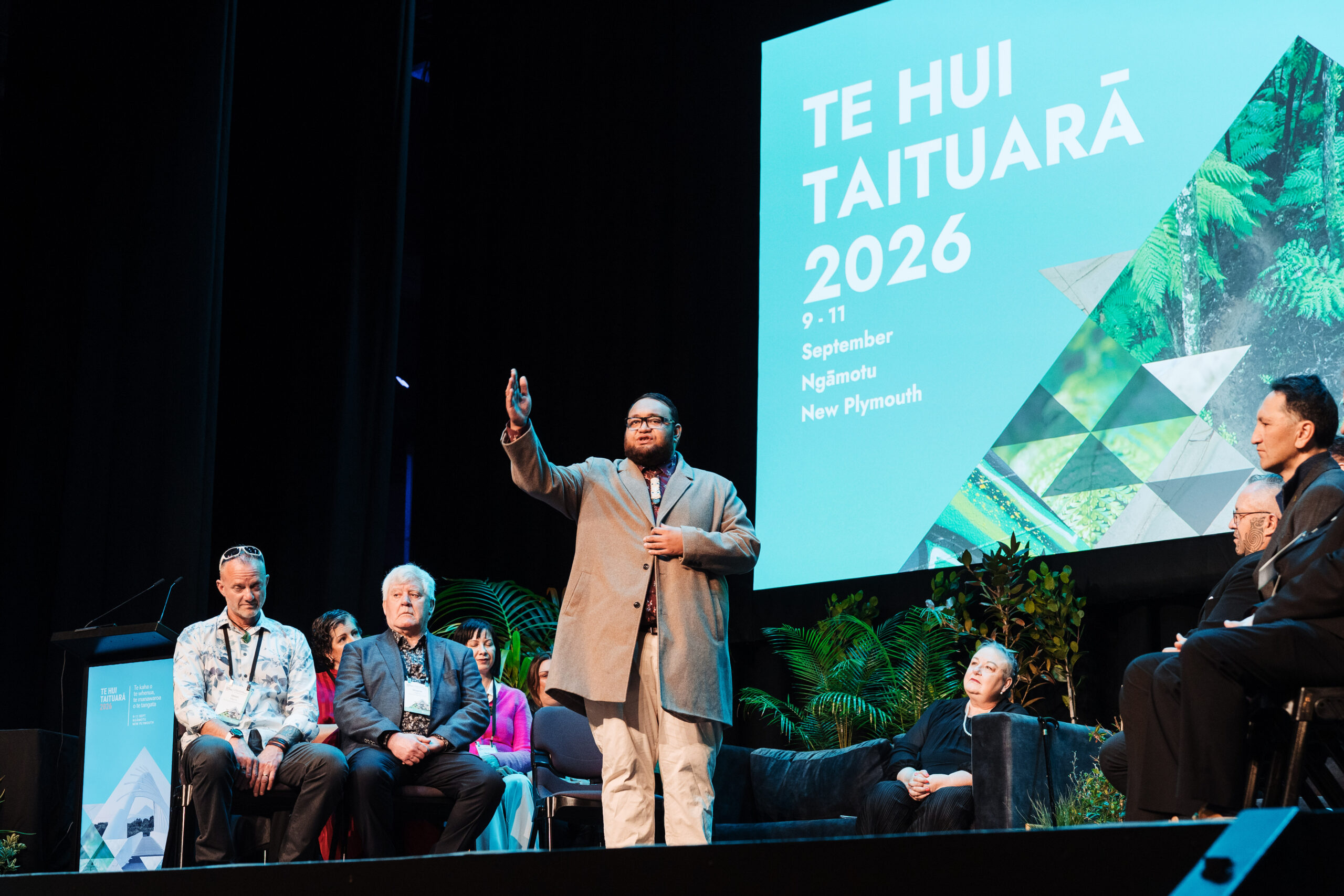
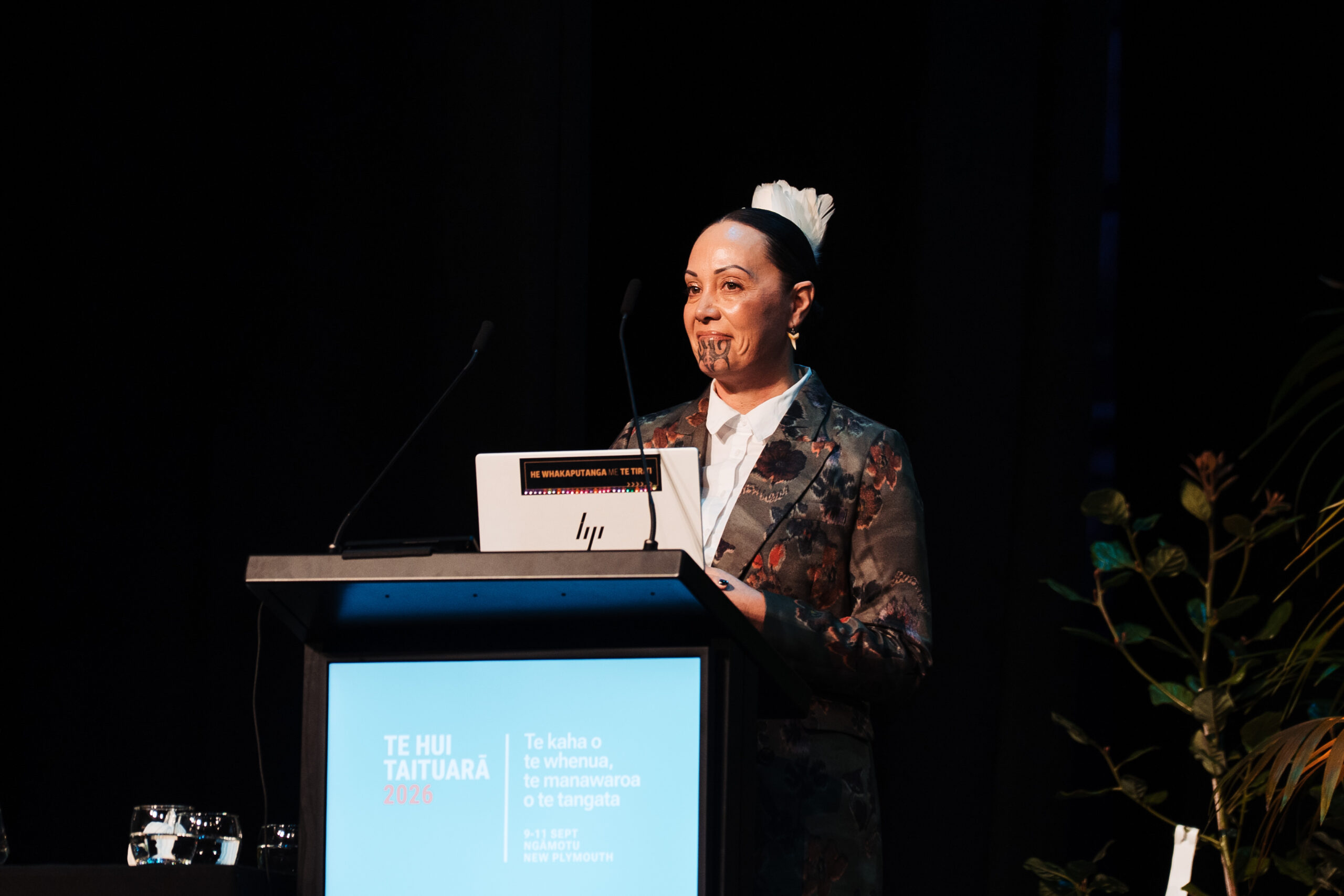
Puna Wano-Bryant set the tone, opening our keynote programme with the story of Parihaka and its enduring lessons of resistance, resilience and reconciliation.
Drawing on the history of the place where we had gathered, Puna challenged us to reflect honestly on the past while thinking about how we move forward together.
“Oneness is not sameness. Oneness recognises the mana rangatiratanga and distinct voices within this nation.”
Puna spoke of recognising difference while still finding ways to move forward together – something that would echo through many of the conversations that followed.
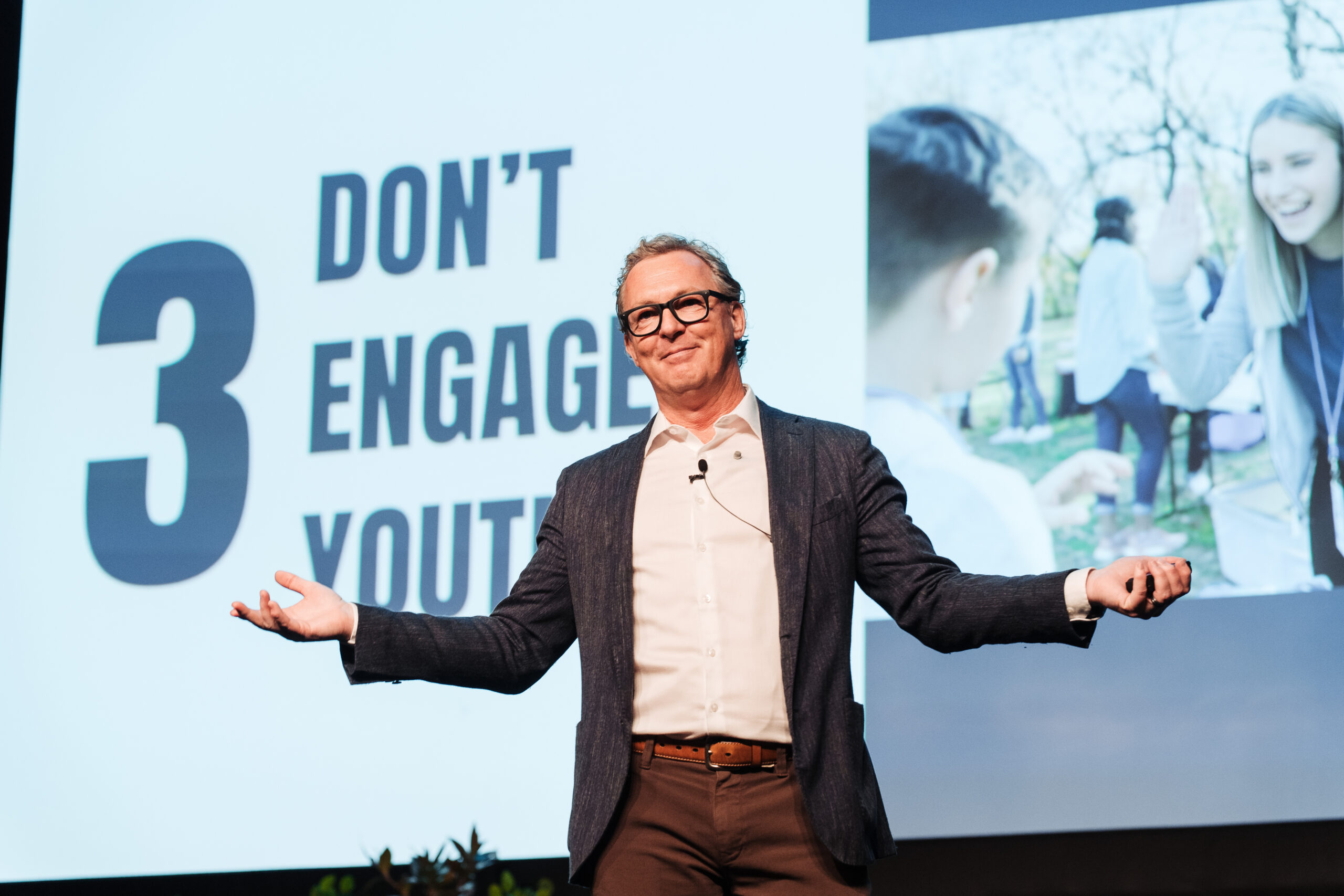
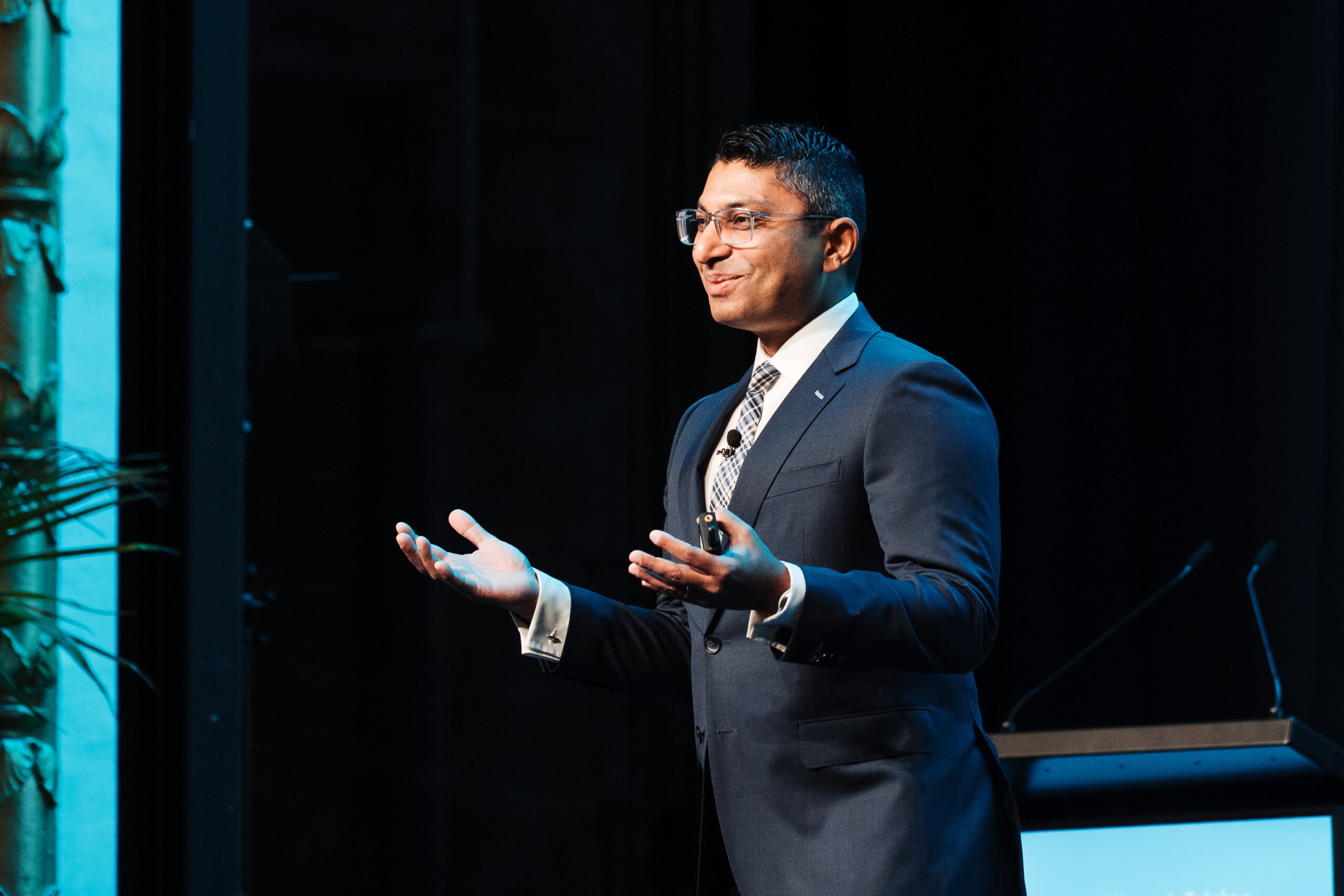
Canadian community strategist Doug Griffiths came at the idea from a very different angle. His 13 Ways to Kill Your Community keynote used humour and provocation to expose the behaviours that can stop communities thriving.
Resist change. Ignore young people. Don’t collaborate. Try to be like everywhere else.
Turn those around and his message was clear: thriving communities need to understand what makes them distinctive, keep adapting and work together.
“If you want to kill your community don’t collaborate, remain fiercely independent, and you will die alone.”
A blunt but timely message given the recent HeadStart deadline for councils.
That question of how we respond to change moved from communities to organisations with Angela Parquist and Dr Ellen Joan Ford.
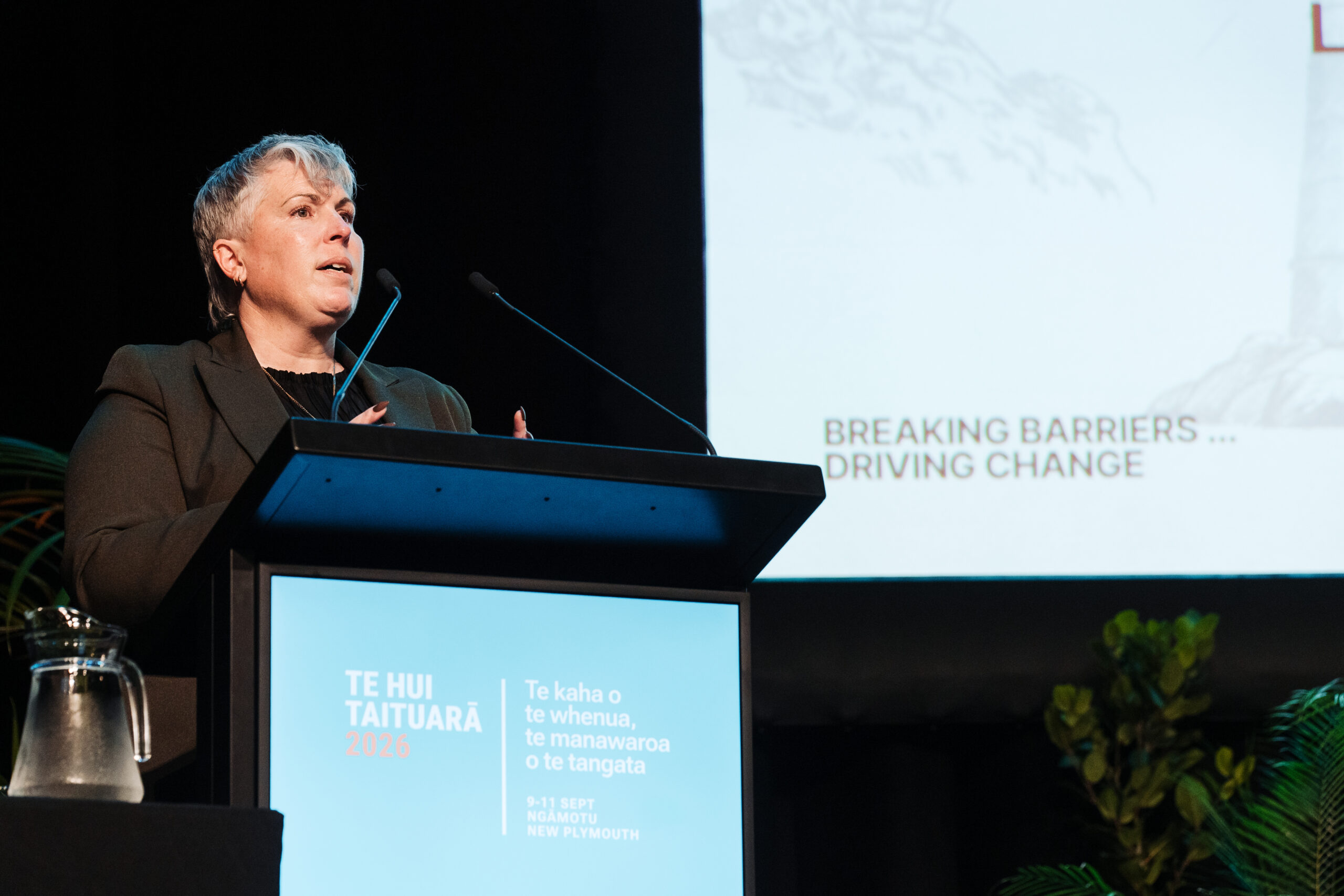
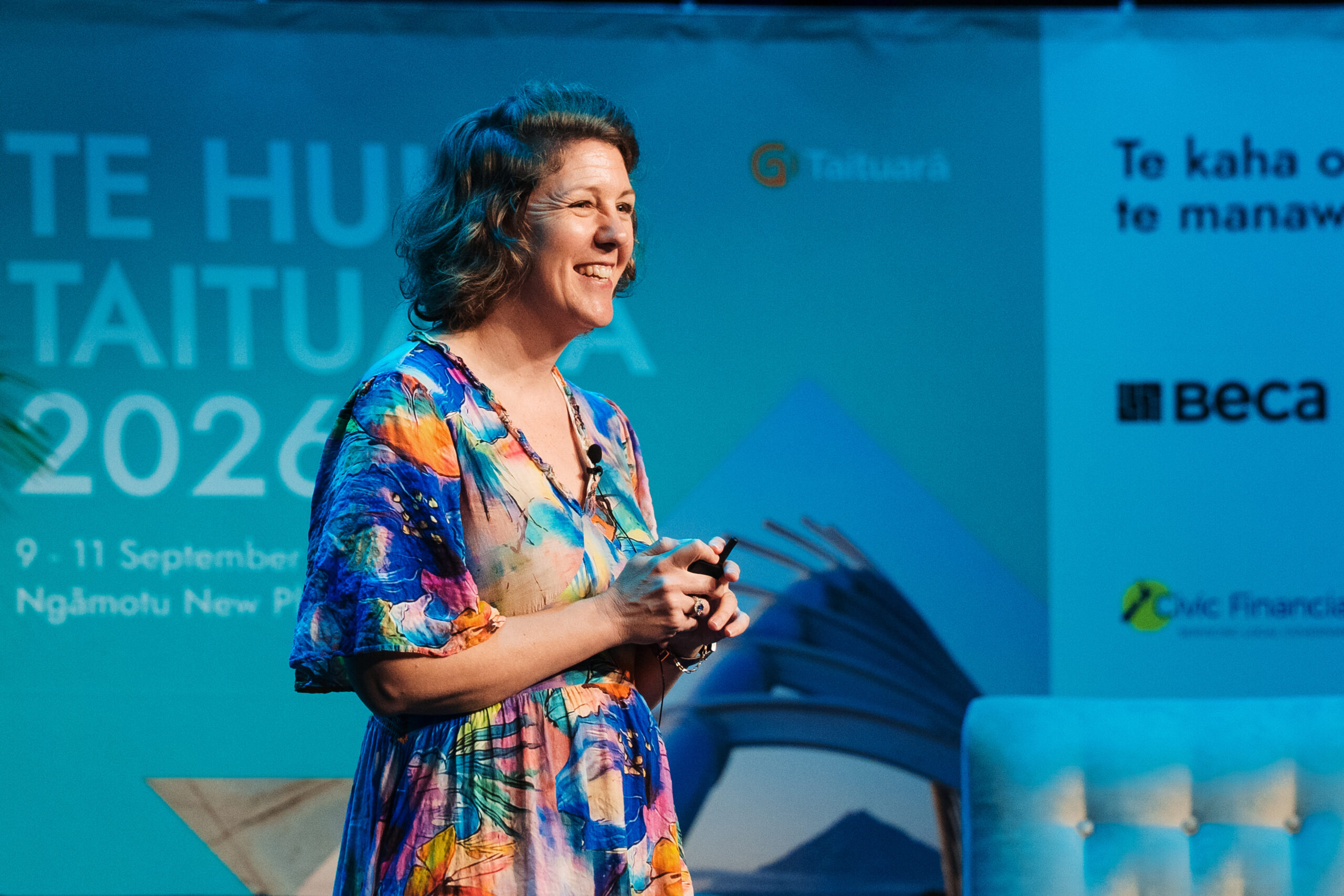
Angela’s Lighthouse Leadership approach focused on leading people when the path ahead isn’t clear. Her message was particularly relevant for a sector where people are being asked to navigate significant change without always knowing exactly where it will lead.
“Uncertainty itself is not the problem. Silence in uncertainty is. What we don’t know must be named right alongside what we do.”
Ellen’s focus was on creating the conditions that help people thrive, even under pressure. Drawing on her experiences in the New Zealand Army, leadership research and involvement in the evacuation of 563 people from Taliban-controlled Afghanistan, she argued that resilient teams are built around three things: belonging, autonomy and purpose.
“The leader’s job is to create an environment where their people can thrive and then direct that into a purpose.”
Both were reminders that resilience isn’t simply about enduring more. It’s about people feeling connected, trusted and supported to act.
Action was another recurring theme.
Economist Shamubeel Eaqub brought the big economic and demographic shifts facing Aotearoa down to a local level, highlighting how differently changes in population, employment, housing and growth are being experienced across the country.
“What happens nationally doesn’t happen everywhere equally.”
For councils, there can’t be one answer that works everywhere because, as Shamubeel put it, “Nationhood is not experienced in the ether, it’s experienced locally.”
Rather than waiting to see where change takes us, he challenged people to think about what they can influence now: “How could I do things differently in spite of the change coming?”
And then came perhaps the most direct challenge of the conference:
“There is no one coming to save us, we have to save ourselves.”
Beyond the keynotes delegates had the chance to explore these ideas in practical immersive sessions.
The sessions covered a range of topics relevant to local government including using AI to solve real problems, partnering with mana whenua, building resilience to natural hazards, strengthening communities through arts and culture, navigating structural change and supporting their people through uncertainty.
These sessions were designed to get people closer to the conversation – learning from what others are doing, asking questions, testing ideas and sharing their own experiences.
That exchange between people was as important as anything happening on stage.
Across the conference – in immersive sessions, over coffee, at the Laneway Social and in the conversations between sessions – people had the opportunity to connect with others facing similar challenges and hear how different communities and organisations are responding.
Because if there was one thing our speakers seemed to agree on, it was that none of us can navigate what’s ahead alone.
Angela reminded us that “beyond our organisations we all share one coastline.” Doug told us not to retreat into fierce independence. Puna talked about moving forward while recognising our distinct voices. Ellen focused on our shared humanity. And Shamubeel challenged us to take responsibility for the future of our own places.
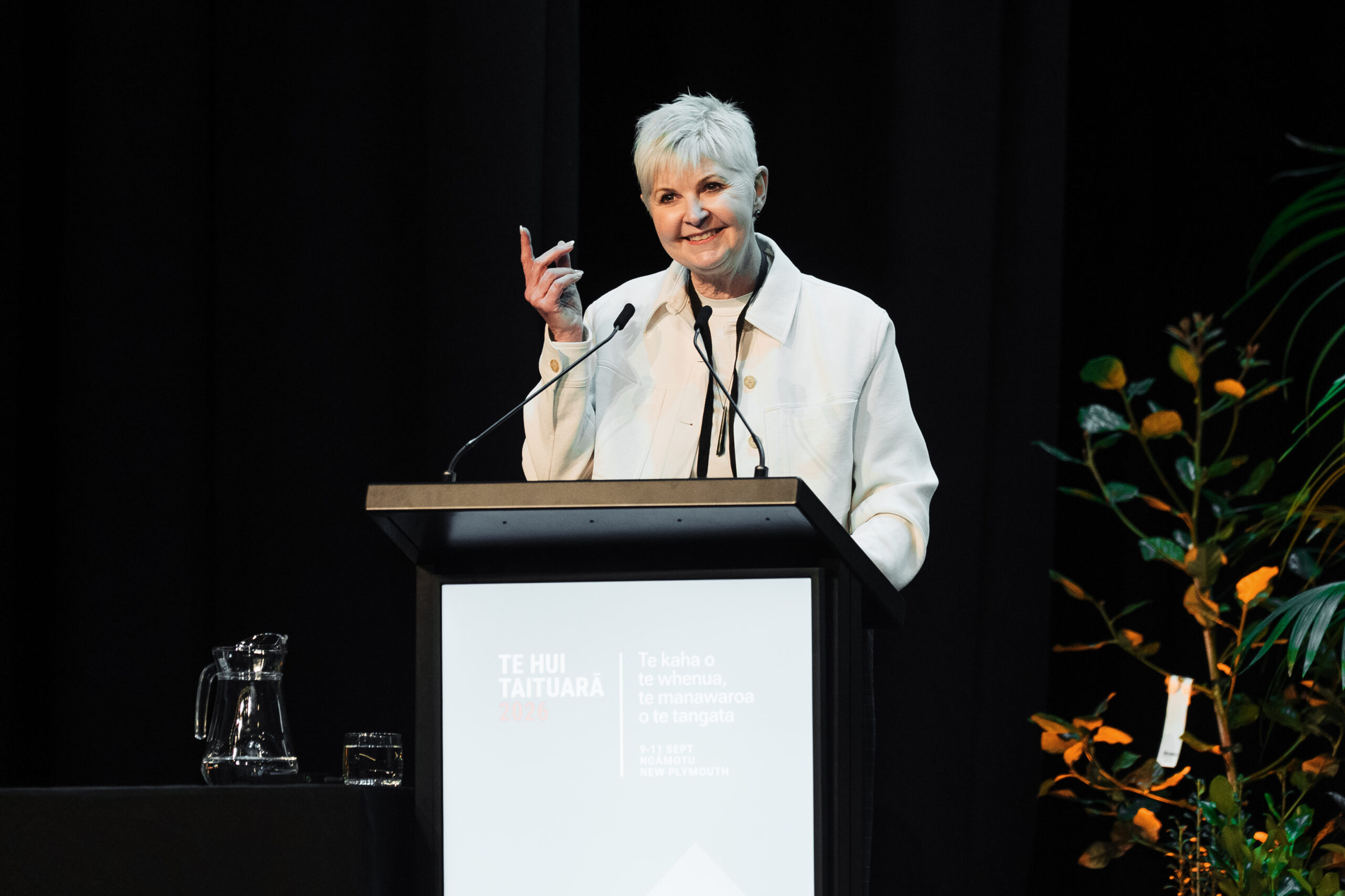
Taituarā Chief Executive Suzanne Boyd brought those threads together as she closed the conference:
“You are the people who will help your organisations navigate that change. So keep backing yourselves. Keep backing your people. Be the role models who set the tone when things get difficult. Keep sharing, connecting and asking for help when you need it.”
We may not know exactly what local government will look like in the years ahead.
But after Te Hui Taituarā 2026, the message was clear: keep connecting, keep collaborating, be willing to change – and don’t wait for someone else to shape what comes next.
Thank you to all those who joined us to make Te Hui Taituarā a success.
Our partners Simpson Grierson, Beca, Civic Financial Services, PwC and Datascape, IBIS, Morrison Low – for their ongoing support and event partners TechnologyOne, Creative New Zealand, GHD, the Insurance Council, Tompkins Wake, FrankGroup, Information Leadership and MartinJenkins.