
What does this event cover
The Beca Community Plan Forum is the premier annual professional development and networking opportunity for LTP project managers, policy staff and others with significant roles in the Long-Term Plan (LTP).
This year’s forum takes place against a backdrop of era-scale change. With around 24 pieces of legislation in progress or expected, the local government landscape is set for significant transformation.
We’ll begin by exploring regional spatial planning as proposed in the Planning Bill, and the implications for LTPs, including investment planning, prioritisation, timing, and programme delivery. This session will be supported by an exclusive attendee-only paper.
We’ll then examine the broader reform package and what it means in practice, with a particular focus on structural reform, rate capping, and the wider resource management changes. You’ll also have the opportunity to share your experiences and consider your next steps.
With rate capping, the energy crisis, and changes to the purpose of local government placing affordability front and centre, we’ll explore how councils can define and apply affordability in policy and financial decision-making, supported by a real-world case study.
In addition, you’ll be kept up to date with the latest insights from Taituarā and the Office of the Auditor-General.
As always, the Forum includes the opportunity to tailor your experience through our “choose your own adventure” sessions, including:
- Working with elected members
- A community outcomes-based prioritisation tool case study
- A local authority case study on a ground-up performance framework review
- Stress-testing financial and infrastructure strategies
- Managing and responding to consultation feedback
- Partnering effectively with audit providers
Whether you’re an experienced LTP project manager, approaching your first LTP cycle, or contributing specialist input, this forum is an essential milestone on your LTP 2027 journey.
Note: The programme below reflects what was confirmed by Taituarā at the time of writing (May 2026). We make every effort but cannot guarantee that the programme advertised below will be the same as what is delivered ‘on the day’ due to factors outside our control. We also reserve the right to amend the programme to accommodate changing circumstances, such as developments in the policy environment.
Where is this event
Programme overview
Wed 5 Aug 2026 9:15 am - Day one
8.30am Registrations open
9.15am Mihi Whakatau
9.25am Welcome to the Forum
Julie Gardyne, Chief Executive Taupō District Council and Chair, Taituarā Corporate Planning Reference Group
9.40am Regional spatial planning and the LTP
Simon Markham, Managing Director, SMConsulting
We’re expecting the Planning Bill and the Natural Environment Bill to have been enacted in July. To open this year’s forum, we have a session focussed on regional spatial planning (RSP) in plain language, why it is materially different from the “outgoing” RMA framework, and the implications for investment planning, prioritisation, timing, and LTP programming.
NB. Mr Markham is preparing a short paper which will also be made available as an ‘attendee only’ deliverable.
10.30am Morning tea
11.00am Where are the reform processes at and what does it mean for long-term planning?
Raymond Horan, Chief Advisor, Taituarā (moderator)
Joshua Logan, Team Leader Policy and Corporate Planning, Tauranga City Council
Zofia Miliszewska, Head of Strategy and Performance., Greater Wellington Regional Council
Katherine Palmer Quinn, Corporate Policy Team Leader, Thames-Coromandel District Council
The Taituarā legislation tracker tells at that time of writing there are something like 26 different pieces of legislation in progress (or expected) with some impact on the local government sector. This includes major reforms to resource management, building consenting (and liability), emergency management, the role of local government, structural reform, and the funding toolbox. Rather than focusing on the reforms, it’s a session that focusses on how local authorities can navigate their way through the reform processes and the uncertainties that they create, and what that means for the long-term planning that will be needed, Head Start or not.
12.25pm Lunch
1.20pm Choose your own adventure – session one
Tailor your forum experience to your own needs and interests by choosing from these three sessions:
A. Selwyn’s prioritization process – a tool for building trust and reducing costs
Rob Steel, Performance Delivery Team Leader, Selwyn District Council
At the 2025 Council elections the Selwyn community elected a new Mayor and 80% new councillors on a mandate to reduce rates increases. Hear the lessons learnt to create and implement a prioritisation tool to inform Councils decisions to reduce the rates increase from about 13% to less than 5%, but also how it helped to build trust between the new council and staff.
B. Managing submissions and interacting with submitters
Sarah Walshe, Revenue and Finance Manager from Tararua District Council and Josh Logan, Team Leader Policy and Corporate Planning from Tauranga City Council.
Will look at what you should do with submissions once they’ve arrived. This session includes managing, submission analysis, and interacting with the submitters. Also, a look at AI and how it can help with some practical examples.
C. Speed dating – Working with the elected members
Session led by Carolyn Dick, Strategic Planning Manager, Horowhenua District Council and Robyn Broadhurst, Corporate Planning Specialist, Northland Regional Council
How might officers help elected members to stay at the strategic level, set priorities, and hold to them?
You’ll be paired with eight randomly selected attendees and have five minutes with each to swap tools, techniques or pieces of advice.
To prepare, we advise attendees to consider the tools, techniques or pieces of advice from your own experience and prepare an “elevator pitch” for use on the day.
A good way to build up your stock of tools and techniques and make new contacts with other risk management professionals.
2.20pm Rethinking our Digital Toolbox
Sarah-Lee Crellin, New Zealand Lead Community Partnerships and Storytelling, Beca
As councils prepare engagement plans for 2027-37 LTPs, we will explore how digital tools and modern engagement approaches can be integrated to enable clearer conversations and more meaningful community input. Drawing on recent practice, we will share practical lessons on using targeted digital engagement to focus feedback on the decisions that matter.
2.50pm Afternoon Tea
3.10pm Choose your own adventure – session two
An opportunity to go to another of the sessions listed as options under “Choose your own adventure: session one”. Choose from:
A. Selwyn’s prioritization process – a tool for building trust and reducing costs
Rob Steel, Performance Delivery Team Leader, Selwyn District Council
B. Managing submissions and interacting with submitters
C. Speed dating – Working with the elected members
Session led by Carolyn Dick, Strategic Planning Manager, Horowhenua District Council and Robyn Broadhurst, Corporate Planning Specialist, Northland Regional Council
4.10pm Cost-effective engagement
Session led by Katherine Palmer Quinn, Corporate Policy Team Leader, Thames-Coromandel District Council
How might your local authority engage with the community effectively on a budget? This session will add to your kit of tools for cost-effective engagement.
You’ll be paired with eight randomly selected attendees and have five minutes with each to swap tools, techniques or pieces of advice.
To prepare, we advise attendees to consider the tools, techniques or pieces of advice from your own experience and prepare an “elevator pitch” for use on the day.
A good way to build up your stock of tools and techniques and make new contacts with other risk management professionals.
5.00pm Summing up / Look forward to day two
5.10pm Networking drinks
Thu 6 Aug 2026 8:45 am - Day two
8.45am Welcome to day two
8.50am Choose your own adventure – session three
Tailor your forum experience to your own needs and interests by choosing from these three sessions:
A. Measures that Matter – A Case Study
Tracey Deane, Strategic Planning Advisor, Kaipara District Council
In 2022 and 2024 the Auditor General reported that long term plan performance measures are not always meaningful to the communities they serve.
In response, Kaipara District Council deliberately flipped its approach to performance measurement, developing a simple and inclusive process that began with core questions asked of activity managers, senior leadership, elected members and the community – “What matters to you?”
The approach was well received, including by elected members. Beyond identifying more meaningful performance measures, an unexpected benefit emerged: what matters most to our community is now helping guide priorities across Council activities.
This session explains the process used and the surprising results so far.
B. Financial and infrastructure strategies – what should the LTP project manager and team be looking for?
Session led by Raymond Horan, Chief Advisor, Taituarā
A practical session that will help those responsible for the whole of the LTP with assurance that the financial and infrastructure strategies are telling the right story.
C. Working together: navigating the audit process
Session led by Athol Graham, Audit Director, Audit Office and Lisa Thomas, Strategy Manager, Manawatū District Council
The LTP audit process is all about providing the community with independent assurance that the plan has been prepared with robust information and assumptions, and that the plan meets the statutory purpose.
This session features perspectives and sage advice from an audit director and an LTP project manager around auditors and councils might work together to deliver a quality LTP to the community .
9.50am Morning Tea
10.10am Choose your own adventure – session four
An opportunity to go to another of the sessions listed as options under “Choose your own adventure: session three”. Choose from:
A. Measures that Matter – A Case Study
Tracey Deane, Strategic Planning Advisor, Kaipara District Council
B. Financial and infrastructure strategies – what should the LTP project manager and team be looking for?
Session led by Raymond Horan, Chief Advisor, Taituarā
C. Working together: navigating the audit process
Session led by John Whittal, Sector Manager Local Government , Audit Office and Lisa Thomas, Strategic Planning Manager, Manawatū District Council
11.10am Audit update
Athol Graham, Director, Local Government, Audit Office and Stephanie Macdonald-Rose, Sector Manager, Audit Office
A look forward to the 2027 audits of the consultation document and LTP as well as insights from recent reports.
12 noon Lunch
12.50pm Taituarā update
Raymond Horan, Chief Advisor, Taituarā
A short update on developments in the Wellington policy environment and on Taituarā and its good works in the sector.
1.20pm Economic update
Killian Destremau, Deputy Chief Economist, BERL
An update on the economic impacts of the disruptions to energy markets, other economic developments and on the production of the 2026 adjustors.
2.15pm Summing Up: The Things to Take Home With You
And to finish, time for some personal reflections on what you’ve learnt over the Forum, and what your next steps are, both on your own as well as key items from the sessions.
And an announcement on the venue for the next Community Plan event.
2.30pm Close
With support from

Your facilitators and guest speakers
Julie Gardyne
Julie has been Chief Executive at Taupo District Council since 2023, and before that was Deputy Chief Executive and held multiple General Manager roles at Whakatane District Council. She is an advocate for the services and functions that councils provide to their communities, and enjoys the diversity that her position provides.
Julie has a particular interest in economic development and prior to local government, work in both the private sector and central government in roles related to the electricity industry.
As the Chair of the Taituara Corporate Planning Reference Group, she brings strong experience of working in corporate planning, policy and strategy. Julie was also led the recovery from the Edgecumbe floods and the economic recovery from the White Island/Whakaari disaster.
With a strong strategic focus and a reputation as someone who gets things done, Julie currently leads a team of around 400 awesome people at Taupō District Council.

Simon Markham

Simon Markham is Managing Director of Simon Markham Consulting Ltd and a senior public policy, local government, and disaster recovery advisor.
He has worked across New Zealand local government for more than three decades, including senior executive roles with city and district Councils.
He has advised councils, CDEM Groups, government and NGO sector organisations on emergency management reform, recovery governance, spatial planning, RMA reform, engagement, and strategic change.
Simon’s work has been recognised through a Civil Defence Emergency Management Ministerial Gold Award and multiple planning and local government excellence awards.
He is a Chartered Member of the Institute of Directors, a Life Member of Taituarā — Local Government Professionals Aotearoa, and serves in governance roles with for-purpose organisations including The Kind Foundation in Ōtautahi Christchurch.



Carolyn Dick

Carolyn has more than 25 years of experience working in Parliament and local government. She is the Strategic Planning Manager at Horowhenua District Council, working where these worlds combine, currently focused on the Long Term Plan and reforms.
With extensive knowledge of the machinery of both central and local government, Carolyn works across Council, communities and with other councils and organisations to help deliver complex projects and strategic outcomes.
She has a collaborative leadership style and is a strong advocate for a one-team approach. She has a continuous improvement mindset, bringing innovation, curiosity and a drive to improve how we work together.
Robyn Broadhurst
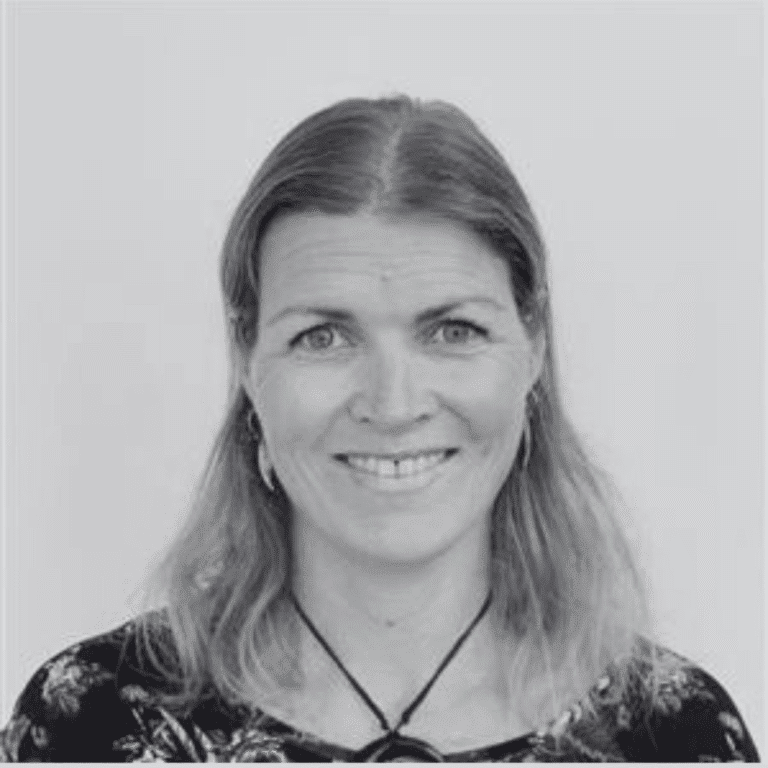
Robyn Broadhurst is a Corporate Planning Specialist with experience supporting strategic planning, performance frameworks, and community-focused initiatives. She leads key processes and works closely with organisational leaders to align long-term plans with community outcomes and statutory requirements. Robyn brings a pragmatic, collaborative approach to planning processes and is passionate about creating clear, accessible plans that reflect local priorities.

Sarah Walshe

Sarah is the Finance and Revenue Manager at Tararua District Council. A Chartered Accountant, she brings over a decade of experience in local government across diverse accounting roles, complemented by a background in private practice. She plays a key role in long-term planning and reporting, with a strong focus on delivering practical, achievable outcomes for the community. Sarah is passionate about community voice, future-focused planning and robust performance frameworks. She sees the Long Term Plan as a clear promise to the community and is driven to ensure it is both credible and deliverable. Collaborative and pragmatic, Sarah is committed to helping shape a sustainable future for Tararua.

Joshua Logan

With over 13 years of experience in local government, Josh is a seasoned corporate planning and reporting practitioner. Currently the Team Leader: Policy & Corporate Planning at Tauranga City Council, Josh contributes significantly to long-term planning and reporting and business process improvements.
Driven by a passion for enhancing efficiency, Josh continuously seeks to optimise processes to ensure they are effective and robust. Key to this is ensuring alignment with council priorities and community outcomes.
Previously, Josh has held corporate planning roles at Rotorua Lakes Council and City of Ryde in Sydney, where he led corporate planning and helped embed robust performance frameworks.

Tracey Deane

Tracey has been in local government since 2012 in district and regional councils. Her roles have included economic development coordinator, governance/democracy advisor, project manager, mayoral candidate, and she is currently Strategic Planning Advisor and Civil Defence Local Recovery Manager at Kaipara District Council.
Her drive is to ensure our ‘system’ works for the people. A ‘strategic activator’ and collaborator, she streamlines and simplifies processes ensuring community needs and aspirations move meaningfully and appropriately through local government. Before 2012, she was a finance and marketing director in the building sector, and had her own management consultancy in UK prior to that.

Lisa Thomas

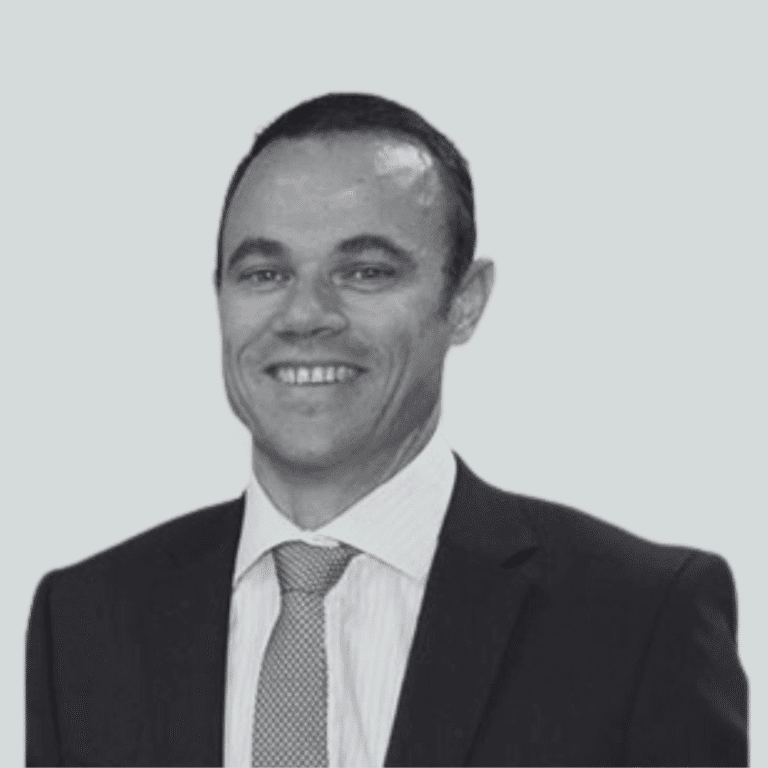
Lisa Thomas is the Strategy Manager at Manawatū District Council, where she leads the development of the Long-term Plan, Annual Plan, Council strategy, and a wide range of strategic policy and planning work. She also oversees Council’s policy and bylaw review programme and prepares submissions on legislative reform.
Having worked in local government for more than a decade, Lisa has been involved in every stage of the Long-term Plan process—from environmental scanning and forecasting assumptions through to infrastructure strategies, financial policies, consultation, submissions, and adoption. She has a particular interest in helping elected members and organisations understand the practical implications of legislative reform by translating complex technical information into clear, accessible advice.
As a member of the Taituarā Corporate Planning Reference Group, Lisa is passionate about sharing knowledge across councils, learning from others, and working collaboratively to improve planning practice throughout the sector.
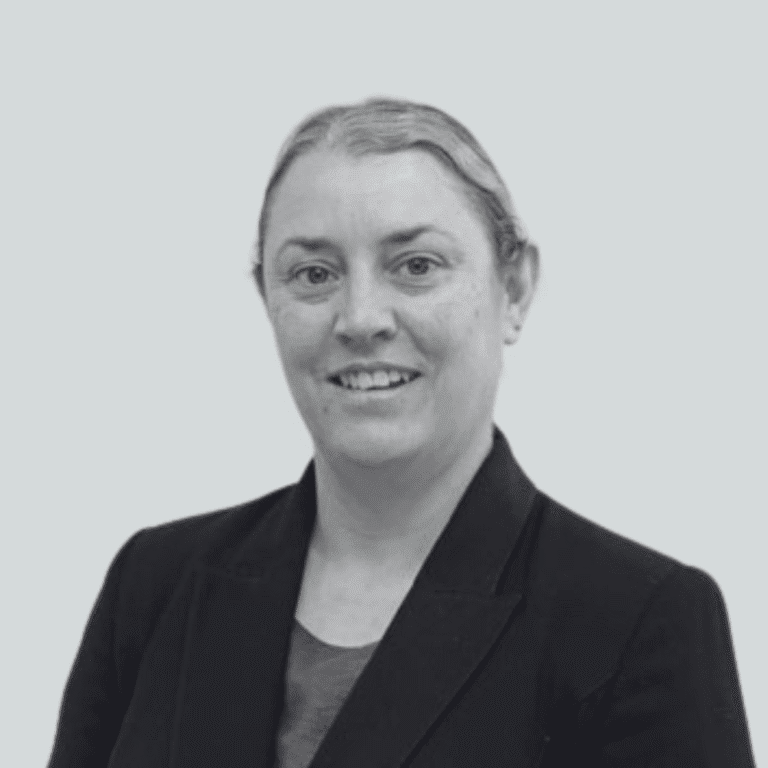



Killian Destremau

Killian joins BERL in 2025 as Deputy Chief Economist, bringing over a decade of experience in economics, policy, and consultancy across public and private sectors. He is passionate about improving economic systems amongst government, business, and society for a more productive, sustainable, inclusive and resilient economy.
With wide experience across policy areas and portfolios, Killian provides innovative and actionable research and advice. His career spans roles at the Department of the Prime Minister and Cabinet (DPMC), The Treasury, ANZ Bank, and the New Zealand Institute of Economic Research (NZIER). Killian holds a Master in Public Administration (MPA) from the National University of Singapore, where he graduated with the Lee Kuan Yew School of Public Policy Prize.
John Whittal
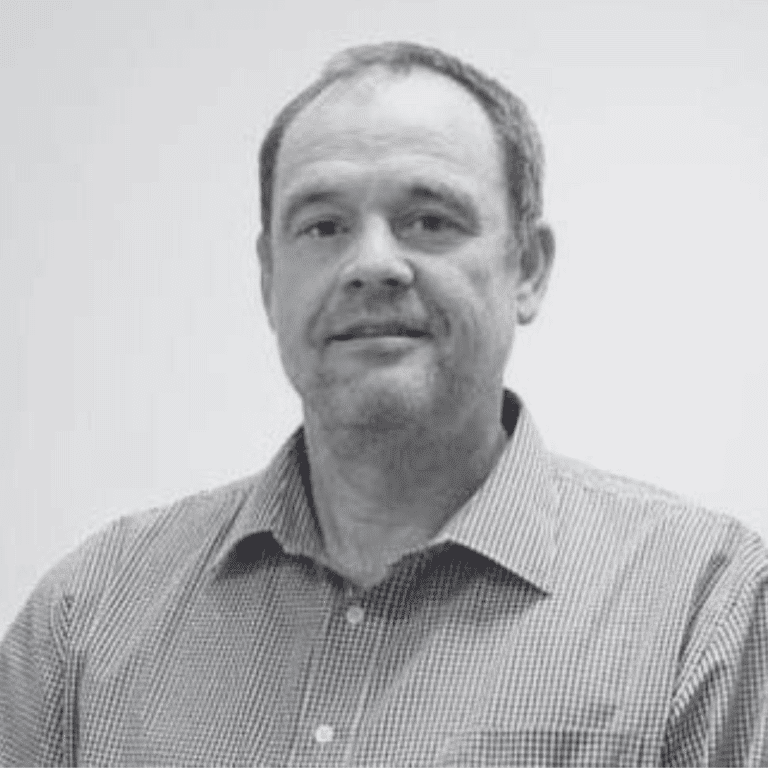
John Whittal is a Local Government Sector Manager in the Systems Engagement team at The Audit Office, based in Wellington. He works across a broad range of local government issues, supporting audit quality and consistency and contributing to strong public accountability throughout the sector.
Before joining the Systems Engagement team, John spent more than 10 years as an Audit Director with Audit New Zealand, where he led the audits of a number of local authorities, including Annual Reports and Long-Term Plans. This experience gave him extensive exposure to local government planning, reporting, infrastructure investment, and public accountability issues across a diverse range of councils.
John works closely with councils, appointed auditors, and sector organisations on annual audit, long-term planning, and broader local government matters. His work focuses on improving audit quality and public accountability through sector engagement, sharing insights from annual and other Audit Office work, and contributing to The Audit Office’s understanding of emerging issues and challenges facing the local government sector.
He is currently contributing to the update of The Audit Office’s methodology for the 2027 Long-Term Plan audits to reflect developments in the local government sector and support efficient, consistent, and effective audit delivery.

Zofia Miliszewska

Zofia is Head of Strategy and Performance at Greater Wellington, overseeing the Council’s Strategy, Corporate Planning & Reporting, Climate Change, and Emergency Management & Business Continuity activities. For the past seven years, she’s worked closely with councillors and senior leaders across the Regional Council and local government to improve planning, reporting and strategic decision-making.
In real terms, that’s three Long Term Plans, five Annual Plans, six Annual Reports, two Pre-Election Reports, a new Significance and Engagement Policy, new Strategic Direction, and a Climate Emergency declaration, to name some achievements.
Zofia is also a member of Taituarā’s Corporate Planning Reference Group