What does this event cover
Taituarā and the New Zealand Planning Institute (NZPI) are working together to deliver one day workshops around the motu to help build understanding and readiness for regional spatial planning.
The workshop will begin with a joint Taituarā /NZPI session to get all participants on the same page, after this, attendees attend either the Taituarā led workstream or the NZPI led workstream.
Please note these streams are aimed at different audiences – you need to register for the Taituarā workstream OR the NZPI workstream – you will then attend that stream on the day.
MfE is sponsoring this roadshow as part of their commitment to supporting effective implementation of the new planning system.
There is no charge to attend this workshop. We expect it to be popular, so we encourage you to register early once registrations open to secure your place.
Who should attend
There is no charge to attend this workshop. It is open exclusively to staff of New Zealand councils and council-controlled organisations (CCOs).
The Taituarā workstream
The Taituarā workstream is for local government professionals who will be responsible for organisational readiness for regional spatial planning e.g. Chief Executives, Senior Leaders (Tier 2’s and 3’s), governance staff responsible for establishing Spatial Planning Committees and staff interested in understanding the resourcing implications of this change.
This workshop will be led by experienced sector executives and is focused on how to organise, govern, and resource regional spatial planning efforts effectively.
The Taituarā stream will cover these main areas:
- Working collaboratively across a region
- Establishing a Spatial Planning Committee
- Change readiness from an organisational point of view
The NZPI Workstream
The NZPI workstream is aimed at planners and related professionals, focused on core spatial planning capability, including an understanding of what spatial planning is in the new planning system. It will provide spatial planning 101 information and concepts and create a platform for layering on the specific Planning Act requirements for regional spatial planning once these are known.
The NZPI stream will cover these main areas:
- Exploring differences between regulatory land use / environmental planning and spatial planning
- Systems thinking and scenarios development
- Introduction to data and evidence
- Working with key stakeholders
Register at NZPI for the NZPI workstream.
All dates and locations:
- Whangārei – 1 July
- Tāmaki Makaurau Auckland – 2 July
- Whanganui – 7 July
- Te Awa Kairangi Lower Hutt – 9 July
- Kirikiroa Hamilton – 15 July
- Tauranga – 16 July
- Whakatū Nelson – 21 July
- Māwhera Greymouth – 23 July
- Ōtautahi Christchurch – 29 July
- Waihōpai Invercargill – 30 July
- Ahuriri Napier – 4 August
Note: The programme below is for the Taituarā workstream only.
View the programme with both streams to help determine which is right for you.
Where is this event
Programme overview
Wed 1 Jul 2026 9:00 am - Whangārei
8.30am Tea and coffee on arrival
9.00am Welcome
9.15am Regional Spatial Planning Introduction
Session purpose: Establish a shared understanding and common language. Participants understand regional spatial planning as a strategic, integrative, place-based discipline. Update on Select Committee report.
- Generic definition of spatial planning
- Why regional spatial planning exists
Opportunity to catch up on likely direction of travel for the legislation based on select committee report, while still managing expectations that the provisions aren’t finalised yet.
10.15am Morning tea
10.30am Taituarā workstream
Working regionally
- What does working regionally mean
- Regional Spatial Planning in the context of Simplifying LG
- The options and challenges
- Managing the change
Partnerships with Iwi/Māori
- Iwi/Māori Participation in Regional Spatial Planning
- Regional Spatial Planning and Treaty Settlements
Spatial Plan Committee set up
- Governance options
- Terms of Reference
- Challenges/key risks
- Resources needed to support
(Led by experienced sector executives – plenary Q&A)
11.45am High-level takeaways from the Taituarā and NZPI workstreams
12.00pm Lunch
12.45pm Taituarā workstream – Interactive workshop sessions
Process Agreement
- Contents
- Steps and timeframe
- Challenges/key risks
- Resources needed to support development
Establishing the secretariat
- Models for secretariat
- Options
- Process and programme
- Challenges/key risks
2.00pm Taituarā workstream – Change readiness interactive workshop
- Assessing your readiness for the change
- Managing risks
- Identifying resources needed to support
3.00pm Closing Session
Key takeaways and next steps from the Taituarā and NZPI workstreams
3.20pm Close
Your facilitators and guest speakers
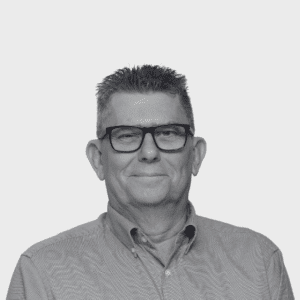
Simon Markham
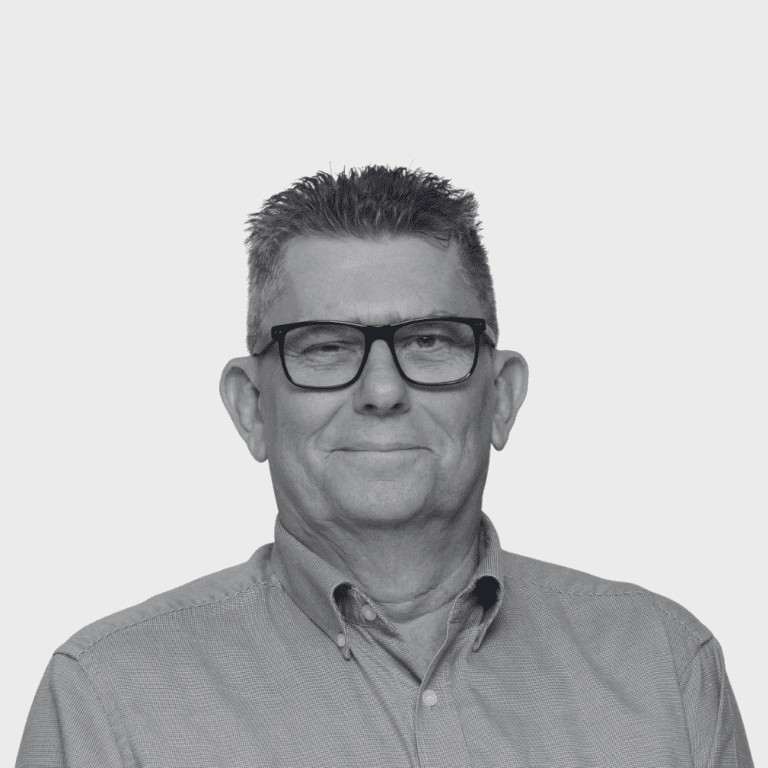
Simon Markham is Managing Director of Simon Markham Consulting Ltd and a senior public policy, local government, and disaster recovery advisor.
He has worked across New Zealand local government for more than three decades, including senior executive roles with city and district Councils.
He has advised councils, CDEM Groups, government and NGO sector organisations on emergency management reform, recovery governance, spatial planning, RMA reform, engagement, and strategic change.
Simon’s work has been recognised through a Civil Defence Emergency Management Ministerial Gold Award and multiple planning and local government excellence awards.
He is a Chartered Member of the Institute of Directors, a Life Member of Taituarā — Local Government Professionals Aotearoa, and serves in governance roles with for-purpose organisations including The Kind Foundation in Ōtautahi Christchurch.
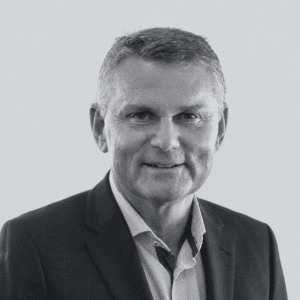
Bill Wasley
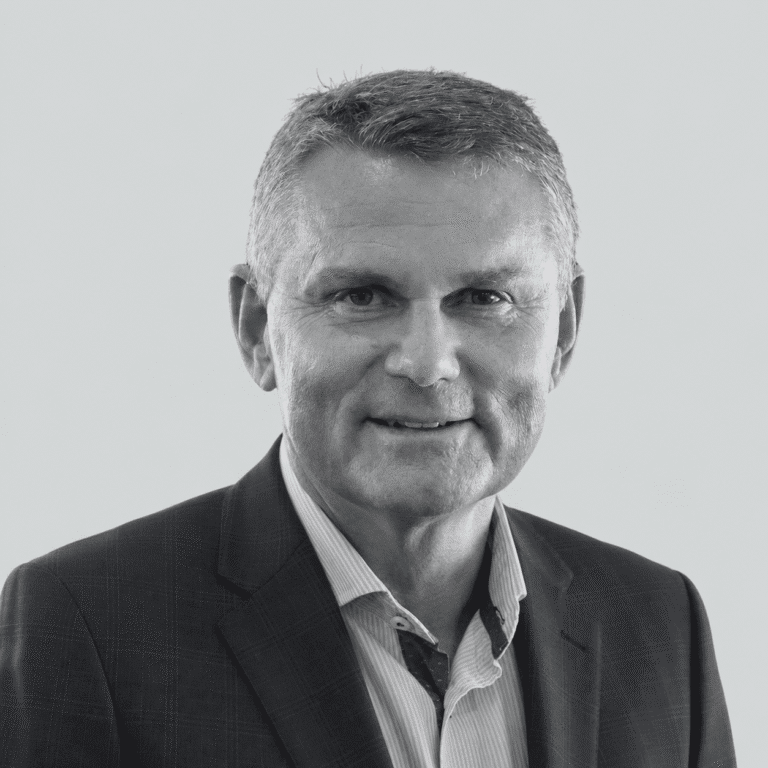
Bill Wasley is the director of Bill Wasley Consulting Ltd and has a wealth of experience and knowledge particularly in respect of local government, growth management, spatial planning and hearing commissioner roles, including management, and governance roles.
He has more than 40 years’ experience in resource management and senior management positions in local government and the private sector and has a professional planning background. Bill held senior planning and management roles in district and city councils for approximately 15 years prior to establishing his own planning consultancy in 1996.
Independent chairing primarily in collaborative/partnership frameworks involving multiple Councils and agencies, project management and resource management work, has been a key element of Bill’s consultancy work. This includes substantial work on integrated growth management strategies and spatial plans (partnership structures and arrangements, strategy development, funding, and implementation) throughout New Zealand. Active collaboration, trusted relationships and working in partnership with a range of Councils, mana whenua, government and non-government agencies, have been integral to work undertaken by Bill.
He was appointed as the first independent chair of the SmartGrowth growth management partnership in 2000, with similar appointments as independent chair of the Greater Christchurch partnership in 2007, and the Future Proof partnership in 2009 which he still currently chairs. He was also independent chair of the Canterbury Earthquake Recovery Strategy Advisory Group, and the Waikato Regional Council Healthy Rivers Wai Ora Collaborative Stakeholder Group. He has been a member of various governance boards including a ministerial appointee to the Bay of Plenty District Health Board.
He completed 3 ½ years as a government appointed Tauranga City Council governance commissioner, a role that ended with the election of a new Council in July 2024.
Bill has undertaken a range of hearing commissioner assignments over the last 27 years for various Councils either in a sole commissioner capacity, or as chair of hearing panels.
He received the New Zealand Planning Institute Distinguished Service Award in 2018, and in 2025, received the NZ Property Council- Central Region, Long Service Award.